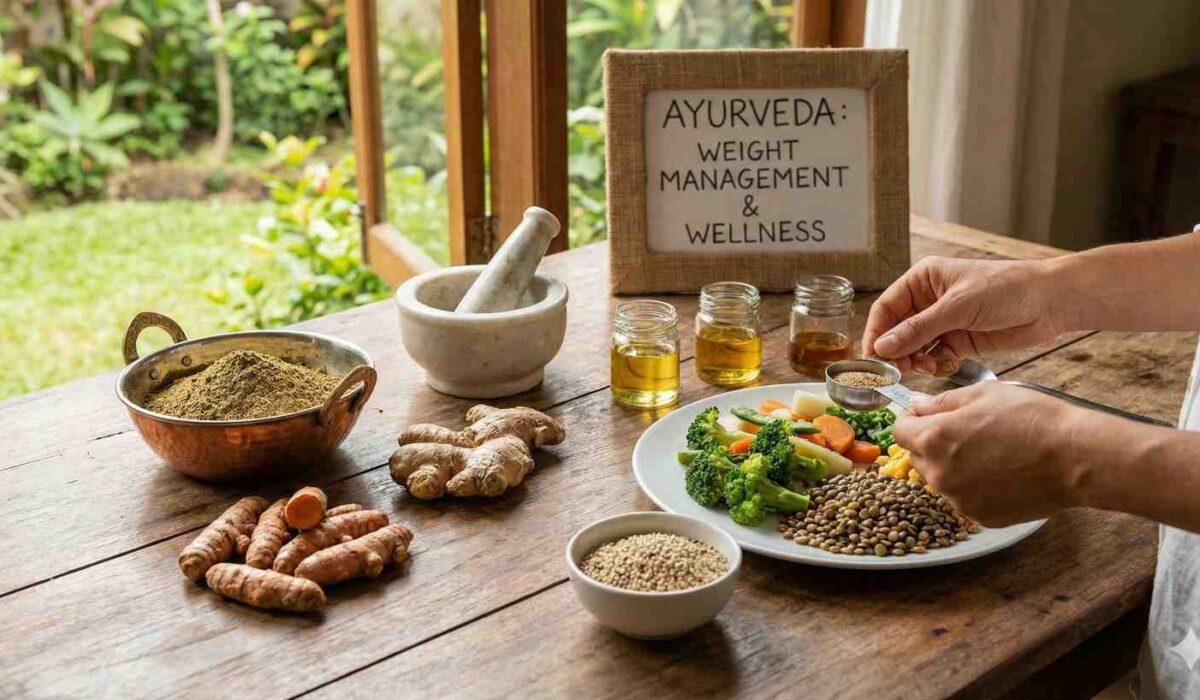
Ultimate Guide to the Ayurveda Diet: A Path to Holistic Health
Introduction: Unlocking the Power of the Ayurveda Diet
The Ayurveda diet, an ancient holistic healing system originating from India, has been practiced for thousands of years. It emphasizes the interconnectedness of the body, mind, and spirit, offering a natural and comprehensive approach to achieving overall well-being. Unlike conventional medicine, which often focuses on treating symptoms, the Ayurveda diet seeks to restore balance within the body and mind by addressing the root causes of health imbalances. As a result, this centuries-old practice has gained immense popularity in recent years, especially as people are increasingly turning to natural, sustainable alternatives to modern healthcare.
The Ayurveda Diet: A Personalized Approach to Nutrition
The Ayurveda diet is a cornerstone of this holistic system, offering a personalized approach to nutrition. Rooted in the idea that each person has a unique constitution, or dosha, the Ayurveda diet tailors food choices to balance the body’s energies. These energies—Vata, Pitta, and Kapha—are believed to govern both your physical traits and emotional tendencies. Therefore, by aligning your diet with your dosha, Ayurveda helps promote harmony within the body, ultimately leading to enhanced health, energy, and vitality.
Balance of the Body, Mind, and Spirit Through Food
One of the core principles of the Ayurveda diet is the balance of the body, mind, and spirit. In addition, Ayurveda believes that what we eat plays a significant role in influencing not just our physical health, but also our mental clarity and emotional stability. The right foods, when consumed mindfully, can harmonize the three doshas and improve digestion, energy levels, and even mental well-being. Thus, the Ayurveda diet offers a holistic approach to health that extends beyond simple nutrition, encouraging mindful eating, lifestyle adjustments, and self-awareness.
Ayurveda for Weight Loss and Disease Prevention
Over time, Ayurveda for weight loss has become a highly sought-after option, as it encourages a more natural approach to shedding pounds. Moreover, it promotes better health by focusing on preventive care through balanced eating and detoxification, rather than relying on quick-fix solutions. In addition to its benefits for weight loss, Ayurveda is increasingly recognized for its role in disease prevention. By maintaining a balanced diet and lifestyle, Ayurveda helps strengthen the body’s immunity, warding off illnesses before they can manifest.

What to Expect from This Ayurveda Diet Guide
In this post, we’ll take a deep dive into the world of Ayurveda. First, we will explore the fundamentals of the Ayurveda diet, its holistic health benefits, and its growing popularity as a lifestyle choice. Next, we’ll cover the relationship between the doshas and diet, how Ayurveda promotes weight loss, and how you can tailor your diet to meet your unique needs. Whether you’re looking to lose weight, improve your health, or simply adopt a more mindful approach to eating, this article will guide you every step of the way. So stay tuned as we explore how Ayurveda can transform your approach to nutrition and overall wellness.
What is the Ayurveda Diet?
Ayurveda, often referred to as the “science of life,” is one of the oldest systems of medicine in the world. Originating in India over 5,000 years ago, Ayurveda combines philosophy, spiritual teachings, and a deep understanding of human nature to create a system focused on the holistic healing of the body, mind, and spirit.
The core belief of Ayurveda is that health is a state of balance between the body, mind, and environment. Any imbalance in these areas can lead to disease. Ayurveda offers a variety of treatments, including herbal medicine, detoxification practices (such as Panchakarma), yoga, and dietary recommendations, all aimed at restoring and maintaining harmony.
Overview of Ayurveda
At its core, Ayurveda is based on the belief that every individual is unique and has a distinct constitution, or dosha, which is a combination of three fundamental energies: Vata, Pitta, and Kapha. These doshas govern our physical, emotional, and mental characteristics. According to Ayurveda, when the doshas are balanced, the body is in a state of health; when imbalanced, it can lead to illness. Understanding your dominant dosha is key to maintaining balance, and diet plays a significant role in this process.
The Ayurveda diet is not just about what you eat, but also about when and how you eat. It emphasizes the consumption of fresh, whole foods, prepared with mindfulness and in alignment with your body’s needs. It is believed that what we eat can influence our health at a cellular level, affecting not just our physical well-being, but our mental and emotional states as well.
The Role of Diet in Ayurvedic Healing
Diet is one of the cornerstones of Ayurveda, playing an essential role in both the prevention and treatment of disease. Unlike Western medicine, which may focus on eliminating symptoms, Ayurveda uses food as a tool to restore balance and heal the body. The Ayurveda diet is centered around the idea that the foods we consume should nourish the body, support digestion, and strengthen the body’s natural defenses.
In Ayurveda, digestion is considered to be one of the most important aspects of health. The concept of Agni (digestive fire) is central to Ayurvedic philosophy, as it is believed that proper digestion is the key to optimal health. When Agni is strong, the body efficiently absorbs nutrients and eliminates waste. However, when Agni is weak or disturbed, it can lead to poor digestion, toxin buildup (known as Ama), and various health problems. The Ayurveda diet aims to strengthen Agni and eliminate Ama by consuming foods that are compatible with one’s dosha and lifestyle.
The Principles of Ayurveda Diet
The Ayurveda diet is structured around balancing the three doshas: Vata, Pitta, and Kapha. Each dosha represents different qualities, and foods are selected based on their ability to either balance or aggravate these qualities. Understanding your dosha helps in choosing the right foods to maintain harmony within the body.
- Vata Dosha: Vata is associated with qualities like dryness, coldness, and lightness. People with a dominant Vata dosha tend to be slim, energetic, and creative, but they may also experience issues related to dryness, such as dry skin, constipation, and anxiety. For Vata balance, the Ayurveda diet recommends warm, moist, and grounding foods. Healthy fats, whole grains, root vegetables, and dairy products are often included to help nurture the body and calm the nervous system.
- Pitta Dosha: Pitta represents heat, sharpness, and intensity. Those with a dominant Pitta dosha are often athletic, determined, and driven, but they may also be prone to inflammation, acidity, and digestive issues. To balance Pitta, the Ayurveda diet includes cooling, soothing foods, such as leafy greens, cucumbers, and dairy. Pitta individuals should avoid spicy, sour, or overly oily foods, as these can exacerbate Pitta qualities.
- Kapha Dosha: Kapha is associated with heaviness, slowness, and stability. People with a dominant Kapha dosha tend to have a solid, strong build and a calm demeanor. However, they may be prone to weight gain, sluggishness, and respiratory issues. To balance Kapha, the Ayurveda diet recommends light, stimulating, and warming foods, such as vegetables, legumes, and spices like ginger and turmeric. Kapha individuals should avoid overly rich, heavy, or sweet foods, which can increase Kapha imbalance.
Ayurvedic Philosophy Behind Eating
In Ayurveda, mindful eating is a practice that goes beyond simply consuming food for nourishment. It involves being present with your food, appreciating its qualities, and paying attention to how it makes you feel. This approach promotes a deeper connection to food and helps cultivate a sense of gratitude and mindfulness around eating. Ayurveda encourages eating in a calm, relaxed environment, free from distractions, to ensure that digestion is not disrupted by stress or external stimuli.
The importance of digestion (Agni) cannot be overstated in Ayurveda. It is believed that the digestive fire is responsible for breaking down food, assimilating nutrients, and eliminating waste. Without strong Agni, the body cannot properly process food, leading to the accumulation of toxins (Ama) and imbalance in the doshas. Eating foods that support digestion—such as warm, easily digestible meals—is key to maintaining strong Agni. Ayurveda also recommends eating meals at regular times, avoiding overeating, and chewing food thoroughly to promote optimal digestion.
Is the Ayurveda Diet Vegetarian?
One common question surrounding the Ayurveda diet is whether it promotes a vegetarian lifestyle. While Ayurveda is flexible, many Ayurvedic practitioners recommend a vegetarian diet, particularly for individuals seeking balance and clarity of mind. Vegetables, grains, legumes, and fruits are often emphasized for their ability to nourish the body and maintain harmony within the doshas.
That being said, Ayurveda allows for flexibility in dietary choices. For individuals who are not strictly vegetarian, the consumption of animal products such as chicken, fish, and dairy is also considered acceptable, particularly if it aligns with the individual’s dosha and overall health needs. The key is moderation, quality, and the source of the animal products. In Ayurveda, it is important to choose foods that are ethically sourced, and organic options are encouraged when possible.
Overall, Ayurveda supports a diet that is wholesome, balanced, and tailored to individual needs. Whether vegetarian or not, the Ayurveda diet encourages conscious food choices that promote health, vitality, and longevity.
The Three Doshas and How They Affect Your Diet
[Image Suggestion: Infographic showing the characteristics of Vata, Pitta, and Kapha. Alt Text: Vata Pitta Kapha Dosha characteristics chart for Ayurveda diet]
In Ayurveda, the concept of the three doshas—Vata, Pitta, and Kapha—is fundamental to understanding the unique constitution of each individual. Each dosha represents a combination of the five elements (earth, water, fire, air, and ether) and governs specific physical, mental, and emotional traits. The balance or imbalance of these doshas influences your health and well-being. By understanding your dominant dosha, you can tailor your diet and lifestyle to better suit your body’s unique needs, helping to restore or maintain balance.
In this section, we will explore each dosha in detail, including its characteristics, dietary needs, and how the Ayurveda diet can help balance the doshas through food choices.
Vata Dosha and Its Dietary Needs
Vata is the energy of movement, associated with the elements of air and ether. It governs bodily functions related to movement, such as circulation, respiration, and the nervous system. Vata is characterized by qualities like dryness, coldness, lightness, and irregularity. People with a dominant Vata dosha are typically energetic, creative, and quick-thinking, but they may also experience issues such as anxiety, dry skin, and digestive problems, especially when Vata is out of balance.
Characteristics of Vata (Dry, Cold, Light):
- Physical traits: Lean body type, dry skin, and hair.
- Mental traits: Creative, quick-witted, and energetic, but prone to anxiety and overthinking.
- Common imbalances: Constipation, dry skin, insomnia, nervousness, and irregular digestion.
Best Foods for Balancing Vata: Warm, Moist, Grounding Foods To balance Vata, the Ayurveda diet recommends warm, moist, and grounding foods that help counteract the dryness and lightness associated with this dosha. Foods that are oily, nourishing, and easy to digest are ideal for Vata individuals. These foods help to calm the nervous system, promote hydration, and enhance overall vitality.
- Grains: Warm, cooked grains such as oats, rice, quinoa, and barley.
- Vegetables: Root vegetables like carrots, sweet potatoes, and beets, as well as leafy greens.
- Legumes: Lentils, mung beans, and chickpeas, cooked well to aid digestion.
- Fats: Healthy fats like ghee, olive oil, and coconut oil.
- Dairy: Milk (warm), ghee, and soft cheeses.
- Nuts and seeds: Almonds, walnuts, and sunflower seeds (soaked or roasted).
- Herbs and spices: Ginger, cinnamon, cardamom, cumin, and turmeric help stimulate digestion and provide warmth.
Ayurveda Diet for Vata: Food Recommendations and Meal Planning
- Breakfast: Warm porridge made with oats, almond milk, and a sprinkle of cinnamon and cardamom.
- Lunch: A warm bowl of soup or stew made with root vegetables, lentils, and a dash of turmeric.
- Dinner: A hearty, grounding meal like rice with ghee, cooked vegetables, and a warm herbal tea such as chamomile or ginger.
Vata individuals should aim for regular meals at consistent times throughout the day, avoiding large gaps between meals to keep their energy steady.
Foods to Avoid for Vata Imbalance: To avoid aggravating Vata, individuals should minimize foods that are dry, cold, and light, as they can worsen Vata’s imbalanced qualities. These foods include:
- Raw, cold foods such as salads and smoothies.
- Dried fruits or crackers.
- Caffeine, alcohol, and stimulants.
- Light or airy foods like popcorn or rice cakes.
- Processed and fast foods.
Pitta Dosha and Its Dietary Needs
Pitta is the energy of transformation, linked to the elements of fire and water. It governs processes related to digestion, metabolism, and transformation, including the body’s ability to break down and absorb nutrients. Pitta is characterized by heat, sharpness, and intensity. People with a dominant Pitta dosha tend to be ambitious, assertive, and driven, but they may also struggle with irritability, inflammation, and digestive issues when Pitta becomes imbalanced.
Characteristics of Pitta (Hot, Sharp, Oily):
- Physical traits: Medium build, fair skin, prone to warmth, and perspiration.
- Mental traits: Intense, focused, and intellectual, but prone to anger, frustration, and impatience.
- Common imbalances: Heartburn, acid reflux, skin rashes, and excessive sweating.
Best Foods for Balancing Pitta: Cooling, Calming, and Hydrating Foods To balance Pitta, the Ayurveda diet emphasizes cooling, calming, and hydrating foods that soothe inflammation and reduce heat. Pitta individuals benefit from foods that are not too spicy, sour, or oily, as these can exacerbate the heat within the body.
- Grains: Rice, barley, oats, and wheat.
- Vegetables: Leafy greens, cucumbers, zucchini, and broccoli.
- Fruits: Sweet, juicy fruits like melons, berries, peaches, and apples.
- Legumes: Mung beans and lentils.
- Nuts and seeds: Coconut, almonds, and sunflower seeds.
- Dairy: Milk (preferably cold or at room temperature), ghee, and mild cheeses.
- Herbs and spices: Cooling spices like coriander, fennel, mint, and turmeric are helpful in reducing internal heat.
Ayurveda Diet for Pitta: Food Recommendations and Meal Planning
- Breakfast: A cooling smoothie made with coconut milk, berries, and a pinch of cardamom or mint.
- Lunch: A light quinoa salad with cucumber, spinach, avocado, and olive oil dressing, paired with a side of melon.
- Dinner: A simple vegetable stir-fry with coconut oil, turmeric, and mild greens like kale, served with rice.
Pitta individuals should focus on eating foods that are cooling and easy to digest, avoiding heavy, greasy, and spicy meals.
Foods to Avoid for Pitta Imbalance: To prevent aggravating Pitta, it’s best to avoid foods that are hot, oily, and spicy, as they can worsen the qualities of Pitta. These include:
- Spicy foods such as hot peppers and curries.
- Sour foods like tomatoes, vinegar, and fermented foods.
- Caffeinated beverages and alcohol.
- Oily, fried foods and rich meats.
Kapha Dosha and Its Dietary Needs
Kapha is the energy of structure and lubrication, associated with the elements of earth and water. It governs the body’s structure, including bones, muscles, and tissues, and helps maintain strength and stability. Kapha is characterized by heaviness, slowness, and dampness. People with a dominant Kapha dosha tend to have a solid build and calm demeanor, but they may also experience weight gain, lethargy, and congestion when Kapha is imbalanced.
Characteristics of Kapha (Heavy, Moist, Slow):
- Physical traits: Large, sturdy body, prone to weight gain and slow metabolism.
- Mental traits: Calm, steady, and compassionate, but may also be prone to lethargy and resistance to change.
- Common imbalances: Weight gain, fluid retention, respiratory issues, and lethargy.
Best Foods for Balancing Kapha: Light, Stimulating, and Warm Foods To balance Kapha, the Ayurveda diet recommends light, stimulating, and warming foods that promote digestion and boost metabolism. These foods help reduce excess moisture and heaviness and keep energy levels high.
- Grains: Barley, quinoa, and rice.
- Vegetables: Leafy greens, cabbage, kale, and asparagus.
- Fruits: Apples, pears, berries, and pomegranates.
- Legumes: Mung beans, lentils, and chickpeas.
- Nuts and seeds: Almonds and pumpkin seeds (in moderation).
- Herbs and spices: Warming spices like ginger, cayenne, turmeric, and garlic can stimulate metabolism and aid digestion.
Ayurveda Diet for Kapha: Food Recommendations and Meal Planning
- Breakfast: A warm quinoa porridge with cinnamon, apple, and a small amount of honey.
- Lunch: A light vegetable soup with lentils, ginger, and garlic.
- Dinner: A stir-fry with spicy vegetables like mustard greens, broccoli, and mushrooms, paired with a small portion of rice.
Kapha individuals should aim to eat light, easily digestible meals that provide energy without causing sluggishness.
Foods to Avoid for Kapha Imbalance: To avoid aggravating Kapha, individuals should minimize foods that are heavy, moist, and overly sweet. These include:
- Dairy products, especially cheese, milk, and ice cream.
- Heavy, fried, or oily foods.
- Sweet foods like pastries, sugar, and excessive fruits.
- Processed and refined foods.
Ayurveda Diet for Weight Loss
[Image Suggestion: A collection of metabolism-boosting spices like ginger, cayenne, and turmeric. Alt Text: Ayurvedic spices for weight loss and metabolism boosting]
The Ayurveda diet offers a holistic, natural approach to weight loss that aligns the body’s internal balance, digestion, and metabolism. Unlike fad diets that focus on drastic calorie reduction or exclusion of food groups, the Ayurveda diet emphasizes mindful eating, proper digestion, and selecting foods that support long-term well-being. By focusing on personalized nutrition based on your unique dosha, Ayurveda helps regulate your body’s energy, prevent overeating, and promote efficient fat metabolism. This section explores how the Ayurveda diet supports weight loss and provides practical guidance to help you lose weight naturally.
Why Ayurveda Diet Works for Weight Loss
Promoting Balanced Metabolism The key to effective and sustainable weight loss in Ayurveda lies in promoting a balanced metabolism. Ayurveda believes that every individual’s metabolism is influenced by their dominant dosha (Vata, Pitta, or Kapha). An imbalance in metabolism often leads to the accumulation of toxins (Ama) and inefficient energy use, contributing to weight gain. Ayurveda helps restore balance to the digestive system, ensuring that the body is able to absorb nutrients properly while efficiently burning fat.
Each dosha affects metabolism differently:
- Vata individuals tend to have irregular digestion, leading to bloating or under-eating, which can disrupt metabolism.
- Pitta individuals generally have a strong metabolism but may experience imbalances due to stress, leading to issues like acidity or digestive inflammation.
- Kapha individuals are more likely to have a slow metabolism, which can lead to weight gain, especially when Kapha is out of balance.
By balancing the doshas through diet and lifestyle changes, Ayurveda helps optimize metabolism, ensuring that food is processed and absorbed properly while toxins are eliminated from the body.
The Role of Agni (Digestive Fire) in Weight Loss In Ayurveda, Agni (digestive fire) plays a crucial role in weight management. Agni is responsible for the body’s ability to digest food, assimilate nutrients, and eliminate waste. When Agni is strong, the body can effectively break down food, convert it into energy, and eliminate toxins. However, when Agni is weak or imbalanced, it can lead to poor digestion, bloating, and the accumulation of undigested food (Ama) in the body, which contributes to weight gain and other health issues. A healthy Agni promotes efficient digestion and fat burning. Ayurveda encourages eating foods that stimulate and support digestive fire while avoiding foods that can dampen Agni, like cold or processed foods.
Ayurveda Diet Plan for Weight Loss
One of the most effective ways to lose weight through Ayurveda is by following a personalized diet plan that supports your metabolism, digestion, and dosha balance. A well-rounded Ayurveda meal plan encourages the consumption of nourishing foods that support digestion, enhance metabolism, and eliminate toxins.
Example of a Daily Meal Plan for Weight Loss
Breakfast
- Warm oatmeal or quinoa porridge with almond milk, cinnamon, and cardamom. This warm, grounding meal helps stimulate Agni and provide energy for the day.
- Herbal tea, such as ginger tea or fennel tea, to boost digestion.
Lunch
- Mung bean stew with spices like turmeric, cumin, and coriander. Mung beans are light, easily digestible, and known for supporting weight loss and detoxification.
- Leafy greens such as spinach, kale, or dandelion greens to cleanse the body.
- Whole grains like brown rice or quinoa for long-lasting energy.
Dinner
- Vegetable soup with zucchini, carrots, and sweet potatoes, cooked with ghee or coconut oil for healthy fats.
- A small serving of protein, such as cooked lentils or chickpeas, provides essential amino acids without overloading the system at night.
Snacks
- Nuts and seeds, especially almonds, walnuts, or pumpkin seeds, for grounding and healthy fats without overloading the digestive system.
- Fresh fruit like apples or pears to aid digestion and provide natural sweetness.
Foods for Fat Burning and Improving Digestion
To maximize weight loss and improve digestion, Ayurveda emphasizes the inclusion of certain foods and spices known for their fat-burning properties:
- Ginger: Stimulates Agni, aids digestion, and reduces bloating.
- Turmeric: Known for its anti-inflammatory properties, it also supports digestion and detoxification.
- Cumin and coriander: Improve digestion and metabolic rate, aiding fat breakdown.
- Lemon: A natural detoxifier that promotes healthy digestion and boosts metabolism.
- Garlic: Helps in detoxification and supports fat metabolism.
These foods help reduce the accumulation of toxins (Ama) in the body while promoting healthy digestion and fat-burning.
How to Lose Weight Naturally with Ayurveda
The Ayurveda diet emphasizes not just what you eat, but how you eat. Mindful eating and portion control are key components of weight loss. By cultivating an awareness of your eating habits and slowing down during meals, you can support better digestion, prevent overeating, and enhance the body’s natural fat-burning processes.
Incorporating Ayurvedic Herbs and Spices for Weight Loss Ayurvedic herbs and spices have long been used to support weight loss due to their natural ability to balance digestion, boost metabolism, and detoxify the body.
- Triphala: A blend of three fruits (amalaki, bibhitaki, and haritaki) known for its detoxifying properties. Triphala helps support digestion and regular bowel movements, aiding in weight management.
- Ashwagandha: Known as an adaptogen, Ashwagandha helps manage stress, which can contribute to weight gain, especially around the belly.
- Fennel seeds: Help with digestion and reducing bloating, which is often a concern when trying to lose weight.
- Guggul: A traditional herb used in Ayurveda to promote fat metabolism and weight loss.
Mindful Eating and Portion Control Mindful eating involves paying attention to how food makes you feel, practicing gratitude for what you eat, and eating without distractions. This practice allows your body to recognize when it is full and helps prevent overeating. Ayurveda encourages eating with awareness and following these practices:
- Eat slowly and chew your food thoroughly.
- Focus on the flavors and textures of your food, savoring each bite.
- Avoid eating late at night to ensure proper digestion and metabolism before sleep.
Ayurveda and Detox Diet for Weight Loss
Detoxification plays a central role in Ayurveda, and it is believed that cleansing the body of accumulated toxins (Ama) can significantly enhance weight loss. A detox diet in Ayurveda helps to reset the digestive system, boost metabolism, and support fat loss by encouraging the elimination of waste.
Importance of Detoxing in Ayurveda Detoxing in Ayurveda is not just about fasting or juice cleanses; it involves gentle, sustainable practices that support the body’s natural detoxification process. A balanced detox plan in Ayurveda includes dietary changes, herbal supplements, and lifestyle adjustments aimed at enhancing digestion, purifying the body, and restoring balance.
- Panchakarma: A therapeutic cleansing process that involves herbal treatments, massages, and other therapies to remove toxins from the body.
- Drinking warm water with lemon in the morning to stimulate digestion and flush out toxins.
- Herbal teas such as ginger tea, fennel tea, or dandelion tea to promote detoxification.
How to Cleanse the Body with Ayurvedic Detox Foods and Practices To support detoxification, Ayurveda recommends the inclusion of cleansing and nourishing foods:
- Kitchari: A traditional Ayurvedic dish made of rice and mung beans, used for cleansing and healing the digestive system.
- Herbal teas: Teas like ginger, peppermint, and turmeric help purify the body, reduce inflammation, and support digestion.
- Leafy greens and cruciferous vegetables: These foods are excellent for detoxifying the liver and improving digestion.
Ayurveda Diet for Kapha and Weight Loss
For individuals with a Kapha constitution, weight loss can be more challenging due to the slow metabolism and tendency toward weight gain. However, Ayurveda offers specific dietary recommendations to help Kapha individuals lose weight effectively.
Special Considerations for Kapha Constitution Kapha individuals have a more sluggish metabolism and may experience fluid retention and weight gain. Therefore, the Ayurveda diet for Kapha focuses on stimulating metabolism, reducing excess fat, and boosting energy. It is crucial for Kapha individuals to adopt a lighter, more stimulating diet and avoid heavy, dense foods that may contribute to lethargy and weight gain.
Foods That Aid in Breaking Down Excess Body Fat and Boosting Metabolism Kapha individuals should focus on foods that are light, warming, and invigorating:
- Spices: Ginger, cinnamon, and cayenne pepper help to stimulate digestion and boost metabolism.
- Leafy greens and cruciferous vegetables: These foods are low in calories and high in fiber, which helps detoxify the body and prevent fat accumulation.
- Lentils and beans: Excellent plant-based proteins that are light but filling, promoting satiety without overloading the system.
Kapha individuals should avoid heavy, oily, and overly sweet foods, which can exacerbate the qualities of this dosha and hinder weight loss.
Seasonal Eating According to Ayurveda
Eating according to the seasons (Ritucharya) is a vital concept in the Ayurveda diet. As nature changes, so do our bodies’ needs. Adjusting your diet to align with the seasons helps maintain dosha balance and immunity.
The Importance of Eating According to the Seasons
- Ayurvedic approach to seasonal eating for optimal health: Ayurveda teaches that the environment impacts our internal state. For example, the heat of summer can aggravate Pitta, while the cold of winter can aggravate Vata.
- How the body’s needs change: In colder months, the body requires warming, grounding foods to maintain heat. In warmer months, the body craves cooling, lighter foods to prevent overheating.
Spring, Summer, Fall, and Winter: Diets for Each Season
- Spring (Kapha Season): This is a time of renewal but also potential congestion. The diet should be light and drier. Favor pungent, bitter, and astringent tastes. Eat greens, berries, and legumes. Avoid heavy dairy and fried foods.
- Summer (Pitta Season): The heat dominates. Focus on cooling and sweet foods. Enjoy melons, cucumbers, cilantro, and coconut. Stay hydrated and avoid overly spicy or sour foods.
- Fall (Vata Season): The weather turns dry and cool. The diet should be grounding and warm. Incorporate soups, stews, root vegetables, and healthy fats like ghee.
- Winter (Kapha/Vata Season): The body needs insulation and fuel. Continue with warm, cooked meals. Heavier grains, nuts, and seeds are beneficial to keep the body strong and warm.
Special Ayurveda Diet Plans for Health Conditions
Ayurveda recognizes that health is a reflection of balance within the body, mind, and spirit. For individuals suffering from specific health conditions, Ayurveda offers tailored dietary plans designed to address and alleviate symptoms while promoting overall well-being. From digestive issues to skin health, weight management, and joint care, Ayurveda provides personalized nutrition that helps restore balance and supports healing naturally.
Ayurveda Diet for Digestive Issues
Digestive issues such as bloating, indigestion, and constipation are some of the most common health complaints people face today. Ayurveda places a significant emphasis on digestion, known as Agni.
- Bloating: To ease bloating, Ayurveda recommends foods and herbs that stimulate digestion and help the body eliminate gas. Foods like ginger and fennel are known to alleviate bloating.
- Indigestion: Ayurveda suggests warm, light foods that are easy on the stomach. Mung beans, cooked vegetables, and rice are ideal as they are easy to digest. Avoid heavy, greasy foods.
- Constipation: Focus on foods high in fiber that promote regular bowel movements. Prunes, apples, ghee, and whole grains can help lubricate the digestive tract.
Best Foods for Boosting Digestion and Balancing Agni
- Ginger: Known as the king of digestive herbs, ginger helps to stimulate Agni, reduce bloating, and ease nausea.
- Cumin: A powerful spice in Ayurveda that aids digestion and alleviates gas.
- Fennel: Known for its ability to soothe the digestive tract and reduce bloating.
- Turmeric: Its anti-inflammatory properties support digestion and help to clear toxins.
Ayurveda Diet for Weight Gain
While many struggle with weight loss, others may have difficulty gaining weight, particularly those with Vata or Kapha imbalances.
- Vata individuals: Often have a fast metabolism. Ayurveda suggests a nourishing, grounding diet with high-calorie, nutritious foods such as ghee, avocados, nuts, and full-fat dairy.
- Kapha individuals: May struggle with fat distribution. They should consume energizing foods like warm, spicy foods, healthy fats (olive oil or ghee), and proteins (lentils and tofu) to support healthy weight gain without excess fat.
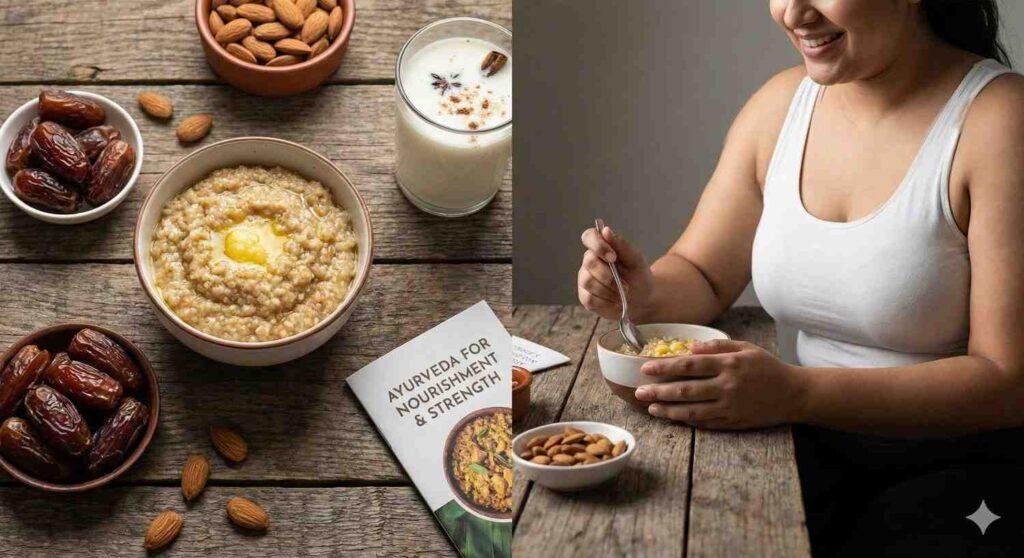
Ayurveda Diet for Eczema and Skin Health
Eczema is often linked to an imbalance in Pitta (fire) and Kapha (earth/water). The Ayurveda diet for eczema focuses on cooling, anti-inflammatory foods that soothe the skin.
- Aloe vera: Soothing and cooling effects.
- Turmeric: Anti-inflammatory and antimicrobial properties.
- Coconut: Hydrating and cooling, nourishes the skin.
- Leafy greens: Rich in antioxidants to fight inflammation.
- Ghee: A great moisturizer internally and externally.
Ayurveda Diet for Arthritis and Joint Health
Arthritis is often caused by an imbalance in Vata (movement) and Kapha (lubrication), leading to stiffness and pain. Anti-Inflammatory Foods for Joint Health:
- Turmeric: Contains curcumin, a powerful anti-inflammatory.
- Ginger: Relieves joint pain and stiffness.
- Garlic: Improves circulation and reduces inflammation.
- Omega-3 fatty acids: Found in flaxseeds, chia seeds, and walnuts.
Ayurveda Diet for Pregnancy
Pregnancy requires a diet that supports both mother and baby. Ayurveda recommends nourishing, grounding foods to balance Vata and cooling foods to calm Pitta.
- Ghee: Healthy fats for digestion and development.
- Leafy greens: High in folate.
- Whole grains: Provide energy and fiber.
- Nuts and seeds: Rich in protein and healthy fats for brain development.
Understanding the Ayurveda Diet Structure
[Image Suggestion: Chart displaying the 6 Tastes of Ayurveda: Sweet, Sour, Salty, Bitter, Pungent, Astringent. Alt Text: Six tastes of Ayurveda diet chart]
The Ayurveda diet is not just about choosing healthy foods; it’s about achieving balance through the inclusion of six different tastes and mindful eating practices.
Ayurvedic Meal Structure
One of the key aspects of the Ayurveda diet is its meal structure, which focuses on creating balance through the inclusion of six different tastes.
- Sweet: Nourishing, grounding, and calming (e.g., rice, sweet fruits).
- Sour: Stimulates digestion and enhances appetite (e.g., citrus fruits, yogurt).
- Salty: Enhances flavor and digestion (e.g., sea salt, pickles).
- Bitter: Detoxifying and cooling (e.g., kale, turmeric).
- Pungent: Stimulating and warming (e.g., chili, ginger).
- Astringent: Cooling and drying (e.g., lentils, pomegranate).
The key is to include a balance of these six tastes in every meal, ensuring that no single taste dominates and that all doshas are balanced.
Ayurvedic Food Combinations for Health and Digestion
- Don’t combine dairy with fruit: This can disturb digestion (e.g., avoid berry yogurt).
- Pair grains with legumes: Creates a complete protein (e.g., rice and dal).
- Avoid eating fruits after meals: Eat fruits alone to prevent fermentation.
- Pair heating and cooling foods: Balance spicy foods with cooling sides like cucumber raita.
Ayurveda Diet for Beginners
- Identify your dosha: Use a quiz or consult a practitioner.
- Eat mindfully: Pay attention to hunger cues.
- Incorporate all six tastes: Balance your plate.
- Eat according to your dosha: Vata (warm/grounding), Pitta (cooling), Kapha (light/stimulating).
- Choose fresh, whole foods: Limit processed items.
Common Pitfalls to Avoid in the Ayurveda Diet
- Not knowing your dosha.
- Over-reliance on raw foods (cooked is often better for digestion).
- Skipping meals (disrupts Agni).
- Eating in a rushed or distracted state.
- Ignoring seasonal eating.
Ayurveda Diet Recipes

Incorporating delicious, nutritious recipes is the best way to experience the Ayurveda diet.
Easy Ayurveda Diet Recipes for Beginners
1. Ayurvedic Porridge (Vata-balancing)
- Ingredients: 1/2 cup oats/quinoa, 1 1/2 cups almond milk, 1 tbsp ghee, cinnamon, cardamom, nuts.
- Instructions: Simmer grains in milk. Stir in spices and ghee. Top with nuts.
- Benefits: Warm and grounding, perfect for calming Vata.
2. Mung Bean Soup (Pitta-balancing)
- Ingredients: 1 cup mung beans, zucchini, carrot, turmeric, cumin, coriander.
- Instructions: Sauté spices in ghee. Add beans and veggies with water. Simmer until soft.
- Benefits: Cooling and detoxifying, ideal for Pitta.
3. Simple Kitchari (Kapha-balancing)
- Ingredients: Mung beans, basmati rice, ghee, cumin, mustard seeds, turmeric, ginger.
- Instructions: Sauté spices in ghee. Add rice, beans, and water. Simmer until cooked.
- Benefits: Light yet filling, excellent for cleansing.
Ayurveda Detox Recipes
- Turmeric Detox Tea: Warm water, turmeric, black pepper, lemon, honey.
- Green Detox Smoothie: Spinach/kale, cucumber, green apple, ginger, lemon, coconut water.
Ayurvedic Superfoods and Their Recipes
- Ghee: Use in cooking or add a teaspoon to meals. Supports digestion and immunity.
- Turmeric Latte (Golden Milk): Warm milk, turmeric, cinnamon, ginger, honey. Promotes relaxation and reduces inflammation.
- Ashwagandha Smoothie: Ashwagandha powder, banana, almond milk, almond butter, cinnamon. Reduces stress and boosts energy.
The Role of Ayurveda in Modern Health
Ayurveda is a timeless approach that integrates seamlessly with modern wellness trends.
Ayurvedic and Modern Wellness Trends
Yoga and Ayurveda: Sister sciences that balance the body and mind. Ayurveda provides the dietary support for yoga practice.
- Mindfulness: Ayurveda’s emphasis on mindful eating aligns with modern mindfulness practices.
- Holistic Therapies: Treatments like Panchakarma and aromatherapy are increasingly popular in modern wellness centers.
Ayurveda vs. Western Medicine
- Philosophy: Western medicine often treats symptoms; Ayurveda treats the whole person (body, mind, spirit).
- Diet: Western nutrition is often generalized; Ayurveda is personalized based on dosha.
- Treatment: Western medicine uses pharmaceuticals; Ayurveda uses natural remedies, lifestyle changes, and detox.
- Complementary: Many find value in combining both for acute care (Western) and prevention/chronic management (Ayurveda).
Common Questions and Myths About the Ayurveda Diet
Is Ayurveda Diet Safe for Everyone?
Generally, yes. It is safe for the general population, pregnant women, and children when adapted correctly. However, those with chronic illnesses should consult a practitioner.
Can Ayurveda Cure Diseases?
Ayurveda focuses on prevention and management. It supports the body’s natural healing ability and is effective for digestive issues, skin conditions, and chronic stress management.
Do Ayurvedic Diets Have Side Effects?
Side effects are rare but can occur during detox (headaches, fatigue) or if herbs are misused. Always check for allergies and consult a professional.
How Long Does it Take to See Results?
- Short-term: Increased energy and improved digestion in a few days.
- Long-term: Weight management and chronic condition improvement can take 3-6 months.
Conclusion: Embracing the Ayurveda Diet for Holistic Health
The Ayurveda diet offers a transformative approach to health by promoting balance within the body, mind, and spirit. Rooted in ancient wisdom, this diet encourages a personalized, holistic approach to nutrition tailored to your unique dosha. Unlike conventional diets, Ayurveda emphasizes the importance of digestion, mindful eating, and aligning your food choices with nature.
If you’re new to Ayurveda, start by learning about your dosha and incorporating small changes like mindful eating and using spices. Consistency is key to unlocking the full potential of this lifestyle.
Call to Action: Begin Your Ayurvedic Journey
Are you ready to experience the transformative power of Ayurveda? At Dhanwantari Ayurveda Detox Center in Tiruvannamalai, India, we offer personalized Ayurvedic consultations, detox programs, and wellness treatments tailored to your unique constitution. Whether you’re seeking to balance your dosha, improve digestion, or embark on a holistic detox journey, our expert practitioners can guide you every step of the way.
Share your experiences with Ayurveda in the comments below! Connect with us at Dhanwantari Ayurveda Detox Center to start your holistic health journey today.