Herbal Medicines in India: The Science, Benefits, and Right Way to Heal Naturally
Introduction
The demand for herbal medicines in India is growing rapidly as more people look for natural and long-term solutions to their health problems. However, despite this growing interest, most people still misunderstand how herbal medicine actually works.
Over 70% of India’s population relies on herbal and non-allopathic systems of medicine. Yet many users fail to achieve real results—not because herbal medicine is ineffective, but because it is used incorrectly.
This article explains the science, benefits, and proper use of herbal medicines in India so you can make informed decisions and avoid common mistakes.
What Are Herbal Medicines in India?
Herbal medicines in India are part of well-established medical systems, including:
- Ayurveda
- Yoga
- Unani
- Siddha
- Naturopathy
- Homeopathy
These are structured healthcare systems with their own diagnostic methods, treatment protocols, and clinical principles.
Unlike modern medicine, which often focuses on symptom management, herbal medicine focuses on identifying and correcting the root cause of imbalance in the body.
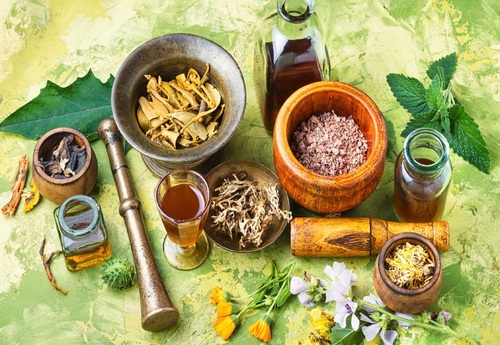
The Science Behind Herbal Medicines
Contrary to common belief, herbal medicine is not based on guesswork. It is supported by two major scientific approaches:
Observational Therapeutics
This approach studies real patient outcomes over time, analyzing how herbal treatments affect health in practical settings.
Reverse Pharmacology
This method begins with observed clinical results and then investigates the biological mechanisms behind them. It is the reverse of conventional drug development.
These approaches help bridge traditional knowledge with modern scientific validation.
Why India Leads in Herbal Medicine
India has a unique advantage in herbal medicine due to:
- Extensive biodiversity of medicinal plants
- Thousands of years of documented usage
- Strong integration of traditional knowledge with research
Numerous research institutions and universities in India actively study medicinal plants, their compounds, and their therapeutic effects.
Medicinal Herbs in India and Their Benefits
Indian medicinal plants are rich in biologically active compounds such as antioxidants, anti-inflammatory agents, and functional nutrients.
These compounds help:
- Reduce oxidative stress
- Prevent chronic diseases
- Improve overall health
Some common herbal medicines include:
- Ashwagandha – Supports stress management and energy
- Brahmi – Enhances memory and cognitive function
- Neem – Helps with skin health and detoxification
- Turmeric – Reduces inflammation and supports immunity
- Ginger – Aids digestion and reduces nausea
Are Herbal Medicines Safe?
Herbal medicines are generally safe when used correctly. However, misuse can lead to poor outcomes.
Safe use requires:
- Proper diagnosis
- Authentic and high-quality ingredients
- Correct dosage and supervision
Risks increase when people self-medicate or rely on unverified online products without professional guidance.
Herbal Medicine vs Modern Medicine
Understanding the difference between herbal and modern medicine is essential:
| Factor | Herbal Medicine | Modern Medicine |
|---|---|---|
| Approach | Holistic | Symptom-based |
| Speed | Gradual | Fast |
| Root Cause Focus | Yes | Limited |
| Long-term Benefits | Strong | Moderate |
Both systems have value, but they serve different purposes. Herbal medicine is more suitable for long-term health improvement, while modern medicine is effective for acute conditions.
The Problem With Herbal Products
Many people search for herbal stores or buy products online expecting results. However, this approach is often ineffective because:
- Products are not personalized
- There is no diagnosis involved
- There is no follow-up or monitoring
Herbal medicine is not just about consuming products—it is about applying a complete system.
What Proper Herbal Treatment in India Looks Like
Effective herbal treatment follows a structured approach that includes:
- Health assessment and diagnosis
- Identification of body type and imbalance
- Detoxification processes
- Personalized herbal formulations
- Dietary adjustments
- Lifestyle changes
This comprehensive method ensures long-term and sustainable results.
Why Most People Fail With Herbal Medicine
The majority of people do not see results because they:
- Expect quick outcomes
- Ignore dietary guidelines
- Use inconsistent treatments
- Depend only on products
- Stop treatment too early
Herbal medicine requires consistency and discipline. Without these, results will remain limited.
The Role of Environment in Healing
Healing is influenced not only by treatment but also by the environment.
Places like Tiruvannamalai provide a calm and supportive setting for recovery. Reduced stress levels and a peaceful atmosphere enhance the body’s ability to respond to treatment.
Structured Healing Approach
A structured healing process focuses on:
- Eliminating toxins from the body
- Restoring internal balance
- Supporting natural healing mechanisms
- Improving lifestyle habits
This approach is more effective than relying on isolated remedies.
Professional centers such as Dhanwantari Ayurveda Detox Center follow this model by combining detoxification, herbal therapy, and lifestyle correction.
The Future of Herbal Medicines in India
Herbal medicine is evolving through:
- Scientific validation
- Integration with modern research
- Advanced study of plant-based compounds
This combination of traditional knowledge and modern science is shaping the future of natural healthcare.
Conclusion
Herbal medicines in India offer powerful benefits, but only when used correctly within a structured system.
The biggest mistake people make is treating herbal medicine as a quick fix. In reality, it requires proper understanding, consistency, and guidance.
If applied correctly, herbal medicine can support long-term health, prevent disease, and improve overall well-being.