Understanding the Vata Dosha: The Key to Balance and Wellness in Ayurveda
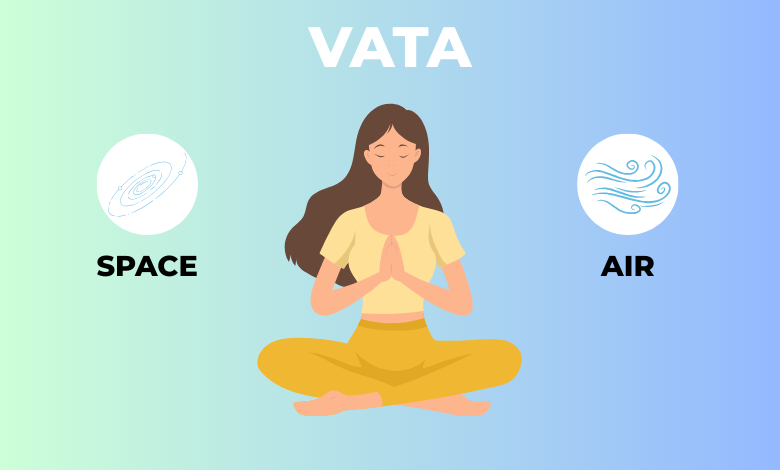
In the ancient science of Ayurveda, three fundamental energies, or doshas—Vata, Pitta, and Kapha—govern the body and mind. Each dosha combines the five elements: earth, water, fire, air, and ether. The Vata dosha, in particular, governs movement and dynamic energy in the body. It associates with the qualities of air and ether, making it light, dry, cool, and mobile. Understanding Vata dosha plays a crucial role in achieving balance and promoting wellness. Imbalances in this dosha can lead to various physical and mental health issues.
What is Vata Dosha?
Vata dosha primarily consists of air and ether elements, which govern bodily functions such as movement, respiration, circulation, and nerve impulses. Additionally, Vata controls the flow of energy and the regulation of bodily processes. When Vata is in balance, it supports creativity, energy, and vitality. However, if Vata becomes imbalanced, it can lead to a variety of health concerns. These may include digestive issues, anxiety, skin dryness, and sleep disturbances. Therefore, maintaining Vata’s balance is essential for overall health and well-being.
Vata Dosha Characteristics
The characteristics of Vata dosha include qualities such as dryness, lightness, coolness, and irregularity. People with a predominant Vata dosha in their constitution typically exhibit traits like:
- Dry skin and hair
- Light body frame
- Active, restless nature
- Creative, imaginative personality
- Prone to anxiety or nervousness
- Irregular appetite and digestion
Vata Dosha Imbalance Symptoms
When Vata dosha becomes imbalanced, the following symptoms may arise:
- Dry skin, hair, and eyes
- Constipation or irregular bowel movements
- Anxiety or stress
- Insomnia or disrupted sleep
- Fatigue or lack of energy
- Joint pain or stiffness
- Digestive issues like bloating or gas
- Mood swings and difficulty concentrating
If you experience any of these symptoms, it may indicate that your Vata dosha is out of balance. Fortunately, Ayurveda offers numerous ways to restore harmony and promote a balanced lifestyle.
Causes of Vata Dosha Imbalance
Several factors can contribute to an imbalance in Vata dosha, including:
- Seasonal changes (particularly during fall and winter)
- Excessive stress or anxiety
- Irregular diet or meal times
- Lack of proper rest or sleep
- Excessive travel or physical exertion
- Poor digestion or improper food combinations
- Environmental factors such as cold, dry air
By identifying and addressing these causes, we can help balance Vata dosha and prevent potential health issues.
Diet for Balancing Vata Dosha
Food plays a critical role in balancing Vata dosha. Since Vata is dry, light, and cold, individuals with a predominant Vata dosha should focus on consuming warm, nourishing, and grounding foods. These foods help counteract the dry and cool qualities of Vata, promoting balance and stability in the body. By incorporating warming and hydrating foods, Vata types can support digestion, soothe dryness, and maintain overall well-being. These foods help counteract the dry and cold qualities of Vata and promote digestion, energy, and calmness.
Vata Dosha Foods to Eat
- Warm, cooked grains: Oats, quinoa, rice, and cooked barley are excellent choices for balancing Vata.
- Root vegetables: Sweet potatoes, carrots, beets, and squash are grounding and nourishing for Vata.
- Healthy fats: Ghee, olive oil, and sesame oil help lubricate the body and soothe dryness.
- Nuts and seeds: Almonds, walnuts, and sesame seeds are beneficial for adding healthy fats and warmth to the diet.
- Dairy: Warm milk (with spices like turmeric or cardamom) is especially beneficial for calming Vata.
- Spices: Warming spices such as ginger, cinnamon, cumin, and turmeric are great for stimulating digestion and balancing Vata.
Foods to Avoid for Vata Dosha
- Cold or raw foods: These can aggravate Vata by making the digestive process irregular.
- Excessive caffeine or stimulants: These increase dryness and anxiety, which are already heightened in Vata imbalances.
- Excessively spicy foods: Too much heat can imbalance Vata and lead to digestive distress.
- Processed and fried foods: These foods are hard to digest and can aggravate Vata’s irregularity.
Vata Dosha Lifestyle and Routine
To balance Vata dosha, it’s important to adopt a lifestyle that aligns with its qualities. A routine that emphasizes warmth, stability, and consistency can help manage Vata imbalances effectively.
- Sleep: Vata types tend to have irregular sleep patterns. Establishing a regular sleep routine, ideally going to bed early and rising early, can help soothe the nervous system and regulate Vata’s fluctuating energy.
- Yoga and Pranayama: Gentle, grounding yoga poses like forward bends and seated stretches are ideal for calming Vata. Pranayama (breathing exercises) such as Nadi Shodhana (alternate nostril breathing) can also help bring balance to Vata energy.
- Meditation: Meditation practices that emphasize calmness and grounding are beneficial for Vata. Practices like guided visualization and mindfulness can help alleviate anxiety and stress, which are often experienced by those with a Vata imbalance.
- Massage: Abhyanga, the Ayurvedic oil massage, is one of the most effective therapies for balancing Vata. Using warm, grounding oils like sesame oil, Abhyanga helps soothe dryness and promotes circulation.
- In addition to Abhyanga, Ayurvedic therapies like Shirodhara, where warm oil is poured on the forehead, and Panchakarma, a detoxification process, can effectively help remove toxins and restore balance to the Vata dosha. These therapies promote deep relaxation, improve circulation, and support the body’s natural healing processes, further aiding in the restoration of harmony and well-being.
Vata Dosha Yoga
Yoga for Vata should be slow, gentle, and grounding. As Vata is associated with movement and energy, it is essential to focus on poses that promote stillness and stability. Some of the best yoga poses for Vata dosha include:
- Child’s Pose (Balasana)
- Forward Bends (Paschimottanasana)
- Mountain Pose (Tadasana)
- Seated Meditation (Sukhasana)
- Legs Up the Wall Pose (Viparita Karani)
These poses help calm the nervous system, promote relaxation, and reduce anxiety.
Vata Dosha Treatment in Ayurveda
Ayurvedic treatments for Vata dosha focus on restoring balance through diet, lifestyle changes, and herbal remedies. Some of the most common treatments for Vata imbalance include:
- Herbs for Vata Dosha: Herbs like Ashwagandha, Triphala, and Amla are used to soothe Vata imbalances. These herbs help stabilize energy levels, improve digestion, and reduce stress.
- Vata Dosha Remedies: In addition to herbal supplements, Ayurveda also recommends consuming Vata-balancing teas made from ginger, cinnamon, and licorice.
- Ghee: Ghee, or clarified butter, is considered one of the most potent foods for balancing Vata. It lubricates the body, supports digestion, and promotes mental clarity.
Diseases Caused by Vata Dosha Imbalance
When Vata dosha becomes severely imbalanced, it can lead to a range of health issues, including:
- Digestive disorders: Constipation, bloating, and indigestion are common symptoms of Vata imbalance.
- Skin problems: Dry skin, eczema, and psoriasis can occur when Vata is out of balance.
- Mental health issues: Anxiety, insomnia, and mood swings are linked to an aggravated Vata dosha.
- Joint pain: Dryness and stiffness in the joints can also result from a Vata imbalance.
Conclusion: Achieving Vata Dosha Balance
Balancing Vata dosha is key to maintaining physical, mental, and emotional well-being. By adopting an Ayurvedic diet rich in warm, grounding foods, a stable lifestyle, and practicing yoga, Vata dosha can be brought back into harmony. Regular sleep, meditation, and therapies like Abhyanga and Shirodhara all contribute to supporting Vata balance. Whether you’re new to Ayurveda or have been practicing for years, understanding your Vata dosha and actively working to balance it can significantly enhance your overall health and vitality. By incorporating these practices, you can promote a sense of well-being and achieve lasting harmony in both body and mind.
Embrace the Ayurvedic wisdom of Vata dosha balance, and experience a life full of energy, stability, and peace.