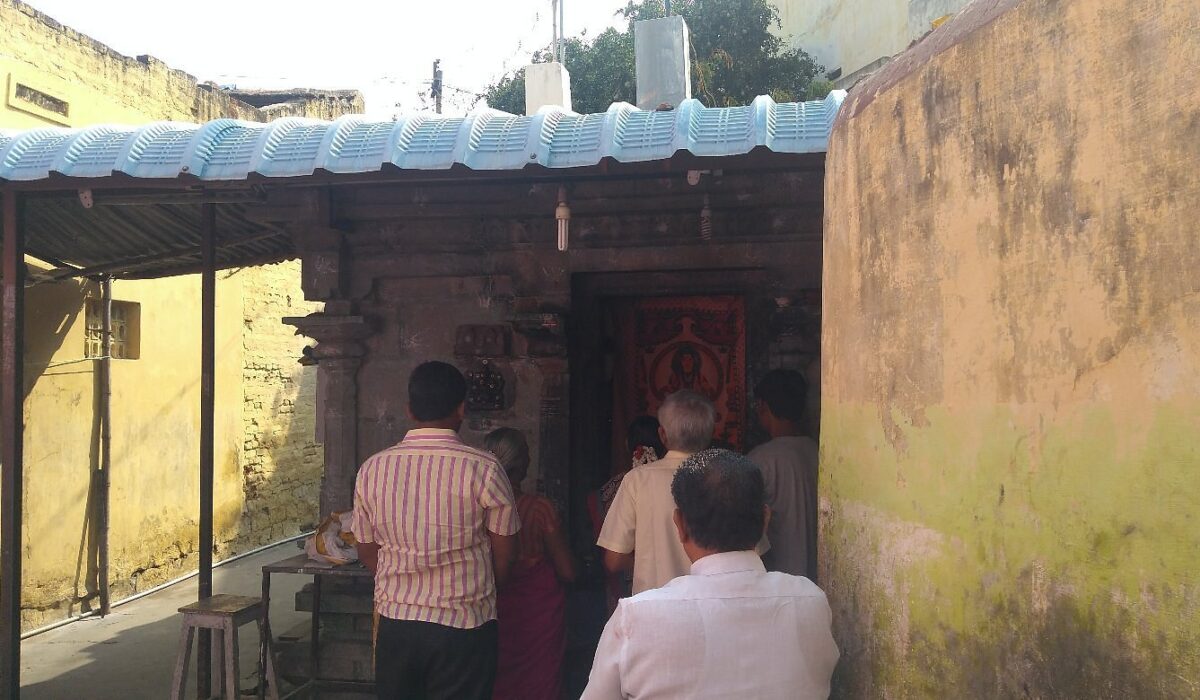
Agnilingam in Tiruvannamalai: A Sacred Fire Ritual for Spiritual Growth and Divine Connection
Introduction to Agnilingam
Agnilingam is an ancient and sacred fire ritual in Hinduism, deeply revered for its cultural and spiritual significance. The term Agnilingam comes from two Sanskrit words: Agni (fire) and Lingam (a symbol of divine energy, particularly associated with Lord Shiva). The ritual involves offering sacred items like herbs, grains, and ghee (clarified butter) into a consecrated fire. This fire symbolizes the connection between the physical and spiritual realms. It serves as a medium to invoke divine energy and purify the devotee’s mind, body, and soul.
The Agnilingam ceremony is one of the most important practices in Hinduism, rooted in ancient Vedic traditions. It not only purifies the individual but also fosters spiritual growth, prosperity, and harmony within communities. The ritual offers up material desires, spiritual aspirations, and prayers to higher forces.
In places like Tiruvannamalai, Agnilingam strengthens one’s devotion to Lord Shiva and deepens the connection with the divine, fostering inner peace and harmony.
Purpose of the Post
This blog post aims to explore the meaning, history, rituals, and benefits of Agnilingam, with a special focus on its significance in Tiruvannamalai. We will delve into its origins, sacred steps, and relevance in the modern world. Understanding Agnilingam is essential for anyone seeking to deepen their spiritual connection and explore ancient practices that encourage personal growth and enlightenment. By the end of this post, you will gain a deeper appreciation of this ritual and may feel inspired to incorporate it into your own spiritual journey.
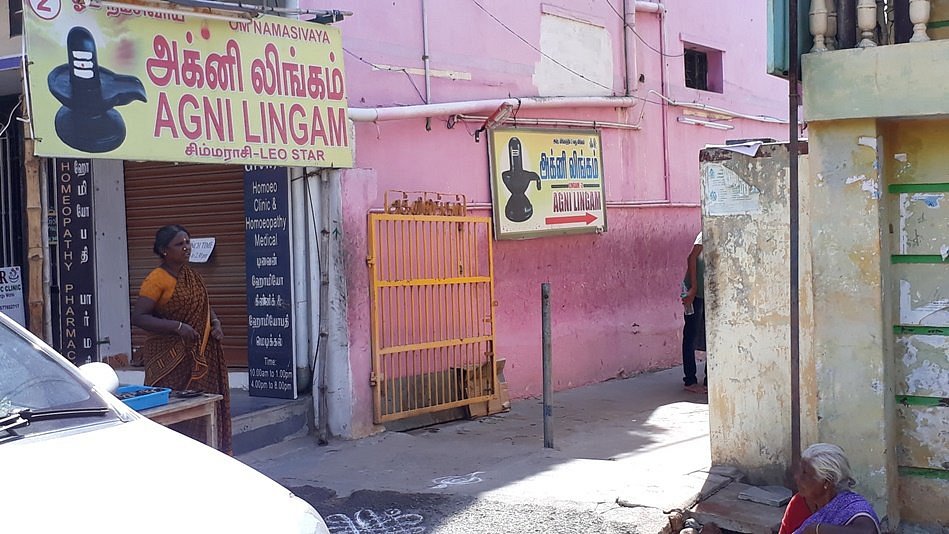
What is Agnilingam?
Definition of Agnilingam
Agnilingam is a sacred fire ritual in Hinduism, combining fire and offerings to invoke blessings, spiritual purification, and divine connection. The fire represents Agni, the fire god, who serves as the messenger between humans and the divine.Devotees place offerings such as grains, ghee, and sacred herbs into the fire, symbolizing surrender and devotion.
The ritual can be performed individually, within families, or as part of a community gathering. It connects the devotee with the divine and purifies their soul, bringing harmony to their life.
Historical Background of Agnilingam
This lingam traces its roots to the early Vedic period when fire rituals, such as Yajna, played a central role in Hindu religious practices. Yajna involved offering materials into the fire to maintain cosmic balance and invoke blessings from the gods. While Yajna required elaborate preparations and priests, Agnilingam is simpler and can be performed by anyone.
In Tiruvannamalai, Agnilingam is often associated with Lord Shiva, whose Lingam symbolizes his infinite nature. The ritual has evolved over time, with regional variations in its practice. Despite these differences, the central purpose remains the same: to establish a connection with the divine through the sacred element of fire.
Spiritual Significance of Agnilingam
The fire in Agnilingam serves as a purifier. It is believed to cleanse the devotee of negative energies and past karmas. The ritual symbolizes transformation, as the offerings made to the fire are seen as spiritually cleansing.
Another key concept is Tapas, the spiritual heat generated by devotion and discipline. By performing Agnilingam with a pure heart, the devotee strengthens their connection with the divine, shedding attachments to material desires. This is central to the Hindu journey toward enlightenment and liberation (Moksha).
Additionally, Agnilingam invokes divine blessings. It serves as a conduit for prayers, wishes, and desires, bringing healing, prosperity, and peace. The ritual helps devotees align with the cosmic forces of creation, preservation, and dissolution.
The Spiritual Benefits of Agnilingam
This Agnilingam brings numerous spiritual benefits to those who perform it with devotion. These include purification, connection with the divine, healing, prosperity, and spiritual growth.
Purification of Mind, Body, and Soul
Agnilingam purifies the mind, body, and soul. The fire burns away impurities and negative energies, helping devotees release mental distractions. The offerings made to the fire symbolize the surrender of material attachments and negative emotions, clearing the path for mental clarity and inner peace.
Deepening Connection with the Divine
The ritual fosters a deeper connection with Lord Shiva and the divine. By performing Agnilingam, devotees strengthen their bond with higher spiritual energies. The fire acts as a conduit for communication with the divine, helping devotees align with divine forces. Repeating sacred mantras during the ritual further strengthens this connection.
Healing and Prosperity
Agnilingam brings healing, both physical and spiritual. It purifies the devotee’s body and mind, promoting overall well-being. Devotees often perform the ritual during times of illness or distress, seeking divine intervention. The ritual also links with prosperity, as devotees offer prayers for wealth, success, and harmony.
Enhancing Spiritual Growth
Regular participation in Agnilingam encourages spiritual growth. The ritual teaches devotion, self-discipline, and the shedding of material attachments. It promotes self-reflection and deepens understanding of one’s spiritual path. Over time, this practice leads to greater spiritual maturity and alignment with divine will.
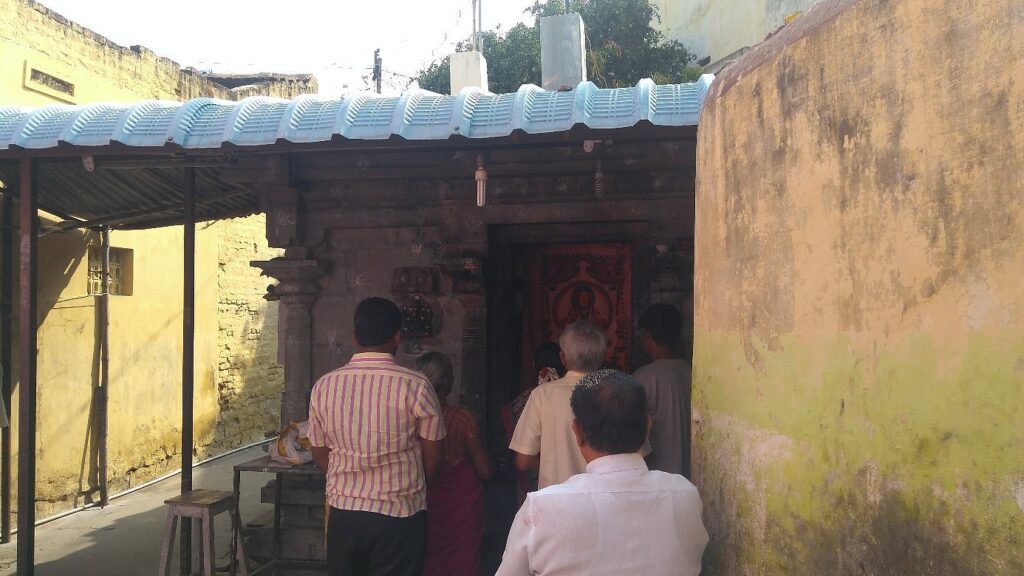
The Role of Agnilingam in Modern Times
The Agnilingam ritual continues to play a vital role in modern Hinduism, despite changes brought on by technological advancements. It remains relevant in contemporary times by addressing spiritual concerns, promoting sustainability, and facilitating cross-cultural exchange.
Continuing Tradition
The simplicity of Agnilingam has allowed it to survive through generations. Unlike more complex rituals, it can be performed by individuals and small groups. This accessibility ensures that the ritual remains an integral part of Hindu spiritual life, practiced in temples, homes, and spiritual centers worldwide.
Agnilingam and the Environment
The ritual promotes eco-friendly practices by using natural, biodegradable materials like wood, herbs, and ghee. These materials are sourced sustainably, reflecting Hindu reverence for nature. In an age of environmental awareness, Agnilingam serves as an example of how spiritual practices can align with ecological responsibility.
Global Influence
While Agnilingam originated in India, it has spread worldwide, particularly through the Hindu diaspora. Communities in the United States, the United Kingdom, and Southeast Asia gather to perform Agnilingam, continuing the ritual’s global influence. Social media has also played a role in making the ritual more accessible to people worldwide, furthering its reach and cultural significance.
Agnilingam vs. Other Fire Rituals
Agnilingam shares similarities with other Hindu fire rituals like Yajna and Homam. However, it differs in scale, purpose, and execution.
Comparison with Yajna
Yajna is a larger, more elaborate ritual, typically performed by priests for communal blessings. It involves chanting Vedic hymns and offering materials into a sacred fire. In contrast, Agnilingam is simpler and more personal, focusing on individual spiritual growth rather than community-wide blessings.
Comparison with Homam
Homam is often goal-oriented, aimed at invoking specific deities for prosperity, health, or success. Agnilingam is broader in its spiritual purpose, focusing on purification, divine connection, and the surrender of material desires. While both rituals use fire and offerings, Agnilingam emphasizes personal devotion and the connection to Lord Shiva.
Cultural Variations in Performing Agnilingam
Regional and cultural variations influence how Agnilingam is performed. In Tiruvannamalai, the worship of Lord Shiva is central, and the ritual often involves specific local herbs and materials. The chanting of mantras can also differ based on regional practices, but the core essence of Agnilingam remains unchanged.
Summary of Key Points
In this post, we explored the Agnilingam ritual, its significance, and its benefits. We began by defining Agnilingam as a sacred fire ritual in Hinduism that invokes divine blessings and fosters spiritual purification. We also examined its historical roots, spiritual significance, and continued importance in modern Hinduism. Additionally, we compared Agnilingam with other Hindu fire rituals like Yajna and Homam, highlighting its personal focus and simplicity. Finally, we discussed the environmental benefits of Agnilingam and its growing global influence.
Final Thoughts on Agnilingam
Agnilingam remains an integral part of Hindu culture and spirituality. It offers a meaningful path to spiritual purification, divine connection, and personal growth. Whether performed in a temple, at home, or in a community setting, the ritual continues to offer peace, devotion, and clarity. If this practice draws you in, Agnilingam provides a transformative experience that strengthens your connection with the divine and supports your spiritual journey.