Boost Your Testosterone Naturally with Foods and Lifestyle at Dhanwantari Ayurvedic Detox Center, Tiruvannamalai
At Dhanwantari Ayurvedic Detox Center in Tiruvannamalai, we emphasize the importance of a holistic approach to wellness. One of the key aspects of male and female health is maintaining optimal testosterone levels. Testosterone is a vital hormone that influences everything from muscle mass to mood, energy, and libido. When your testosterone levels are balanced, you feel stronger, more energized, and healthier overall. In this comprehensive guide, we explore testosterone-enhancing foods, the significance of testosterone, symptoms of low levels, and how lifestyle changes can naturally support healthy testosterone production.
What is Testosterone and Why Is It Important?
Testosterone is a steroid hormone that plays a crucial role in the development and maintenance of male characteristics, although it is present in both men and women. It is primarily produced in the testicles in men and the ovaries in women, with small amounts produced by the adrenal glands in both sexes. Testosterone is responsible for regulating many key biological processes.
Key Functions of Testosterone:
- Maintaining Muscle Mass: Testosterone stimulates protein synthesis, essential for muscle growth and repair.
- Bone Density: It promotes strong bones by enhancing bone mineralization and preventing osteoporosis.
- Fat Distribution: Testosterone helps regulate fat distribution in the body, helping prevent fat accumulation, especially around the belly.
- Libido and Sexual Health: Testosterone significantly impacts sexual desire and function.
- Mood and Mental Health: This hormone helps regulate mood, focus, and cognitive clarity. Low testosterone levels are often linked to irritability, depression, and fatigue.
- Energy and Stamina: Testosterone is essential for energy levels and stamina, ensuring better overall vitality.
As you can see, testosterone influences various critical aspects of your physical, emotional, and mental health. However, when testosterone levels are low, it can lead to a series of health issues, which we will discuss next.
What Happens When Testosterone Levels Are Low?
Low testosterone, also known as hypogonadism, occurs when the body doesn’t produce enough of this essential hormone. This condition can significantly affect physical performance, mood, and overall vitality. It is crucial to recognize the symptoms and take steps to address them.
Symptoms of Low Testosterone:
- Fatigue and Low Energy: Feeling unusually tired even after rest is a key symptom of low testosterone.
- Reduced Libido and Erectile Dysfunction: A drop in testosterone levels can lead to decreased sexual desire and erectile difficulties.
- Loss of Muscle Mass: Testosterone is vital for muscle maintenance. A deficiency can result in muscle loss and reduced strength.
- Increased Body Fat: Low testosterone can cause fat accumulation, particularly around the abdomen, and can also lead to weight gain.
- Mood Swings and Depression: Testosterone plays a role in emotional regulation. Low levels can lead to irritability, mood swings, and even depression.
- Decreased Bone Density: Low testosterone can result in weakened bones and an increased risk of fractures.
- Sleep Disturbances: Insomnia or poor-quality sleep is common among those with low testosterone.
- Cognitive Decline: Difficulty concentrating, memory problems, and brain fog can all be linked to low testosterone levels.
If you experience any of these symptoms, it’s important to consult a healthcare professional for proper testing and guidance. At Dhanwantari Ayurvedic Detox Center, we offer Ayurvedic consultations and customized health plans to help restore your hormonal balance.
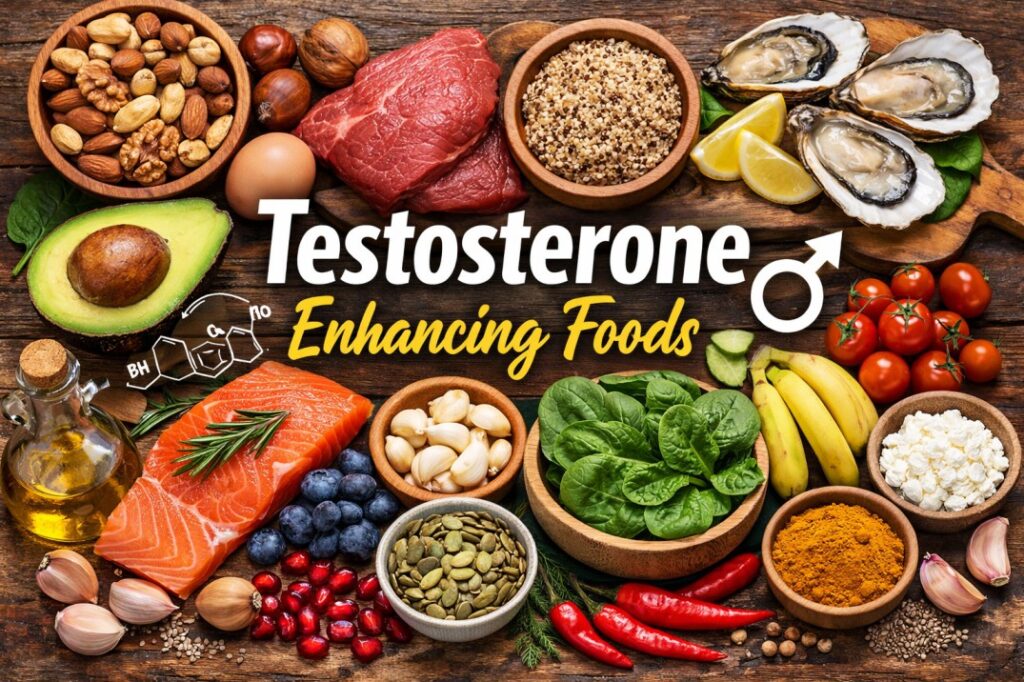
Testosterone-Enhancing Foods: Natural Ways to Boost Testosterone
The foods you consume play a significant role in maintaining healthy testosterone levels. At Dhanwantari Ayurvedic Detox Center, we believe in the power of natural healing, so we recommend including testosterone-enhancing foods in your diet. These foods are rich in nutrients such as zinc, magnesium, healthy fats, and antioxidants, all of which support the production of testosterone.
1. Eggs: A Natural Source of Protein and Healthy Fats
Eggs are a powerhouse of healthy fats and protein, both essential for testosterone production. They are particularly beneficial due to their rich amino acid profile, which helps in muscle repair and growth. Ayurveda views eggs as vital for maintaining energy and vitality.
2. Spinach: A Mineral-Rich Green for Hormonal Health
Spinach is loaded with magnesium, a key mineral that helps regulate testosterone levels. Magnesium also has anti-stress properties, which help balance cortisol, a hormone that can lower testosterone when elevated.
3. Oysters: High in Zinc for Testosterone Support
Oysters are known for their high zinc content, which is essential for testosterone production. Zinc also plays a role in improving fertility and sexual health. Including zinc-rich foods like oysters in your diet can significantly boost testosterone production.
4. Pomegranate: Packed with Antioxidants
Pomegranate is a powerful antioxidant that helps reduce oxidative stress in the body, which can interfere with testosterone production. It also supports blood flow, enhancing energy levels and overall vitality.
5. Avocados: Full of Healthy Fats and Nutrients
Avocados are rich in monounsaturated fats, which support hormone production. They also contain vitamin E, which plays a key role in maintaining reproductive organ health and supporting testosterone levels.
Lifestyle Changes to Support Healthy Testosterone Production
In addition to incorporating testosterone-enhancing foods into your diet, lifestyle changes play a critical role in optimizing testosterone levels. At Dhanwantari Ayurvedic Detox Center, we take a holistic approach to hormone balance by encouraging the following lifestyle improvements:
1. Exercise Regularly
Exercise, especially strength training and high-intensity interval training (HIIT), stimulates testosterone production. It also helps maintain a healthy body composition, reducing fat, which can negatively affect testosterone levels.
2. Prioritize Sleep
Adequate sleep is crucial for maintaining testosterone levels. Studies show that those who sleep less than 5 hours a night experience significantly lower testosterone levels. Aim for 7-9 hours of quality sleep each night to maximize testosterone production.
3. Reduce Stress
High levels of stress increase cortisol, a hormone that suppresses testosterone. Practices like meditation, yoga, and deep breathing exercises can help manage stress and support healthy testosterone levels.
4. Maintain a Healthy Weight
Excess body fat, especially abdominal fat, can lead to a decrease in testosterone levels. Maintaining a healthy weight through a balanced diet and regular exercise is key to supporting testosterone production.
5. Limit Alcohol Consumption
Excessive alcohol intake can interfere with the body’s production of testosterone. Reducing alcohol consumption can help maintain balanced hormone levels.
6. Stay Hydrated
Proper hydration is essential for overall health and hormone production. Dehydration can cause fatigue and disrupt hormonal balance, so it’s important to stay hydrated throughout the day.
Conclusion: Boost Your Testosterone Naturally with Diet and Lifestyle
Maintaining optimal testosterone levels is essential for overall health and well-being. By incorporating testosterone-enhancing foods into your diet and adopting healthy lifestyle changes, you can naturally support testosterone production and improve your quality of life. At Dhanwantari Ayurvedic Detox Center, we offer personalized consultations and detox treatments tailored to your unique needs. Our holistic approach combines Ayurvedic wisdom with modern nutritional practices to restore balance and vitality.
If you’re ready to optimize your testosterone levels and improve your health, visit Dhanwantari Ayurvedic Detox Center today. Our team of expert practitioners will guide you toward a balanced and healthy life.
For more information and to book your Ayurvedic consultation, visit Dhanwantari Ayurvedic Detox Center