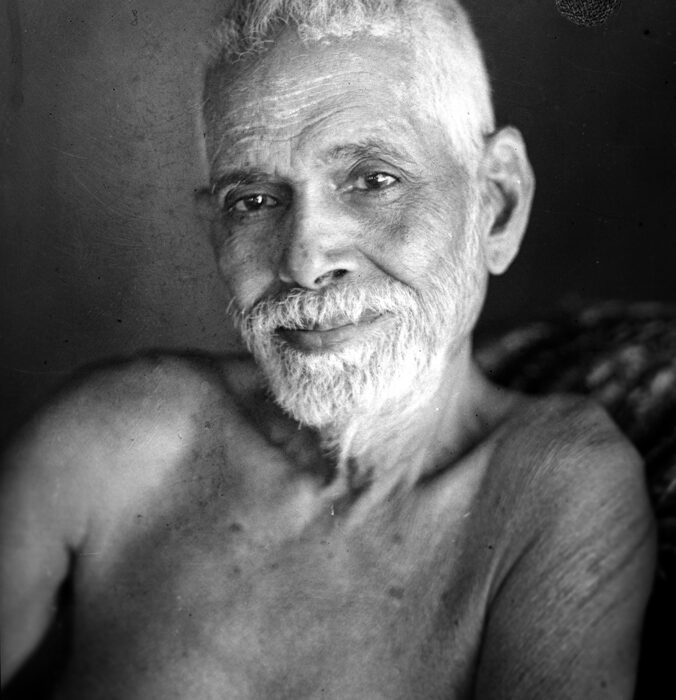
Ramana Maharshi: The Path to Self-Realization and Enlightenment in Tiruvannamalai
Ramana Maharshi, a revered spiritual master of the 20th century, continues to inspire millions of seekers worldwide. His teachings on self-inquiry, detachment, and enlightenment have left an indelible mark on the spiritual landscape. Situated at the sacred Arunachala hill in Tiruvannamalai, where he spent most of his life, Ramana Maharshi’s philosophy remains a guiding light for those on the journey to self-realization.
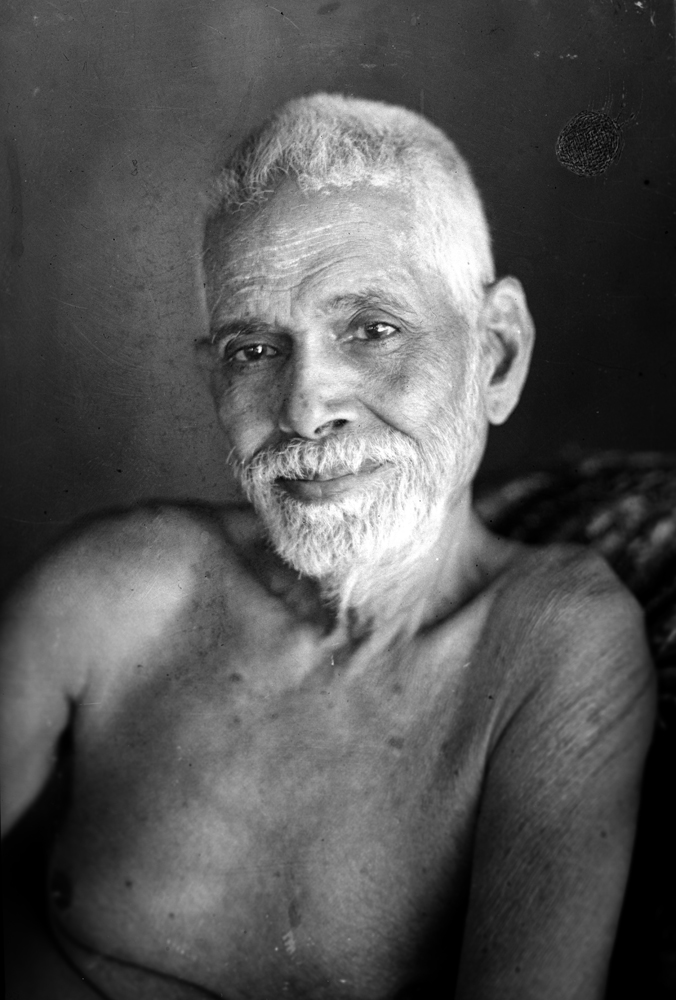
Ramana Maharshi: A Spiritual Master in Tiruvannamalai
Born as Venkataraman Iyer on December 30, 1879, in Tiruchuli, Tamil Nadu, Ramana Maharshi became one of the most influential spiritual teachers of the 20th century. His spiritual journey began at the age of 16 after he experienced a life-changing awakening. This moment led him to renounce worldly attachments and dedicate his life to spiritual practice.
Tiruvannamalai, with its sacred Arunachala hill, became the focal point of Maharshi’s teachings. Here, he spent the rest of his life guiding seekers through the method of self-inquiry and spiritual awakening, offering wisdom and insight to those who arrived in search of peace and clarity.
Exploring the Teachings of Ramana Maharshi
Understanding the Essence of Self-Inquiry
At the heart of Ramana Maharshi’s teachings lies self-inquiry, a practice that involves repeatedly asking, “Who am I?” This powerful question is not simply theoretical but is intended to lead seekers to the direct realization of their true nature—pure consciousness beyond the ego, mind, and body.
Maharshi taught that the ego is the root cause of suffering. By engaging in self-inquiry, individuals can dissolve the ego and experience their true nature as unchanging, eternal consciousness. Consequently, this process leads to self-realization, where one becomes aware of their true self and experiences lasting inner peace.
Living in the Present Moment for Peace and Clarity
Another essential teaching of Ramana Maharshi is the importance of living fully in the present moment. In his philosophy, the past is a memory, the future is a projection—only the present is real. Therefore, by focusing on the present, we can transcend the limitations of the ego and experience spiritual awakening.
Ramana Maharshi emphasized that true freedom comes when we are free from attachment to the past or future and live in harmony with the present moment. Thus, this teaching encourages seekers to embrace the here and now, as it is the only space where true peace can be found.
Detachment from Ego: Key to Spiritual Growth
Ramana Maharshi also stressed the importance of detachment from worldly desires and the ego. He taught that attachment to external things causes suffering and keeps the individual trapped in illusion. However, detachment is not about renouncing the world but releasing attachment to the false identities of the ego.
Moreover, surrender to a higher power is a key part of Maharshi’s path to spiritual freedom. By surrendering personal will and trusting the divine, one can align themselves with the universal flow, experiencing profound inner peace and self-realization.
Ramana Maharshi’s Influence and Legacy
The Spiritual Significance of Tiruvannamalai
Tiruvannamalai is not just the town where Ramana Maharshi lived, but a spiritual hub that continues to attract seekers from around the world. The Arunachala hill, considered a manifestation of Lord Shiva, is an essential part of Maharshi’s teachings. Therefore, many spiritual seekers visit Tiruvannamalai to meditate, reflect, and experience the divine presence that Maharshi often spoke of.
Today, Maharshi’s ashram in Tiruvannamalai remains a center of peace and spiritual practice. Here, seekers from all walks of life come to meditate and learn the profound method of self-inquiry.
Ramana Maharshi’s Writings: A Path to Self-Realization
While Ramana Maharshi was known for his profound silence, his books provide a valuable record of his spiritual teachings. These texts continue to serve as vital resources for those seeking self-realization and enlightenment. Below are some of his most significant works:
1. Talks with Sri Ramana Maharshi
“Talks with Sri Ramana Maharshi” is one of the most important compilations of Maharshi’s teachings. It consists of recorded dialogues between Maharshi and his devotees, covering a broad range of spiritual topics such as self-inquiry, the ego, and enlightenment. This book is essential for anyone seeking practical advice on how to live Maharshi’s teachings in daily life.
2. Who Am I?
“Who Am I?” is perhaps the most famous of Maharshi’s writings. In this short text, Maharshi provides a simple and direct guide to self-inquiry. The book focuses on the central question, “Who am I?,” offering seekers a straightforward method for spiritual awakening and self-realization.
3. The Spiritual Teaching of Ramana Maharshi
This compilation of Maharshi’s teachings is an accessible introduction to his philosophy. It presents the essence of his spiritual guidance on self-inquiry, the ego, detachment, and meditation. It serves as a clear resource for seekers who want to explore the heart of Maharshi’s spiritual wisdom.
4. Be As You Are: The Teachings of Sri Ramana Maharshi
“Be As You Are”, compiled by David Godman, is a practical collection of Ramana Maharshi’s teachings. The book explores how to apply self-inquiry and other core teachings in everyday life. It offers clarity and simplicity for those new to Maharshi’s philosophy.
5. Ramana Maharshi and the Path of Self-Knowledge
Written by Arthur Osborne, this book delves into the metaphysical aspects of Ramana Maharshi’s teachings. It explores non-duality, the nature of self-realization, and how to integrate Maharshi’s insights into one’s life for spiritual growth.
The Timeless Teachings of Ramana Maharshi
Although Ramana Maharshi passed away in 1950, his teachings continue to live on through his books and the countless individuals who have been touched by his wisdom. His focus on self-inquiry, detachment, and living in the present moment remains a timeless and universal path to self-realization and enlightenment.
The impact of Maharshi’s teachings extends far beyond Tiruvannamalai. His influence has spread across the world, inspiring spiritual seekers and teachers from all backgrounds. His legacy is preserved in his writings, the ashram he founded in Tiruvannamalai, and the millions who continue to practice his methods of self-inquiry today.
Conclusion: Embracing Ramana Maharshi’s Path to Enlightenment
Ramana Maharshi’s teachings offer a simple yet profound path to self-realization and spiritual freedom. His method of self-inquiry, emphasis on detachment, and teachings on living in the present moment provide a clear and accessible route to enlightenment.
By studying his books, practicing self-inquiry, and embracing his teachings on detachment and surrender, seekers can experience the peace and freedom that Ramana Maharshi described in his writings. His legacy will continue to inspire future generations on the path to spiritual awakening, offering timeless guidance for those seeking the truth of who they truly are.