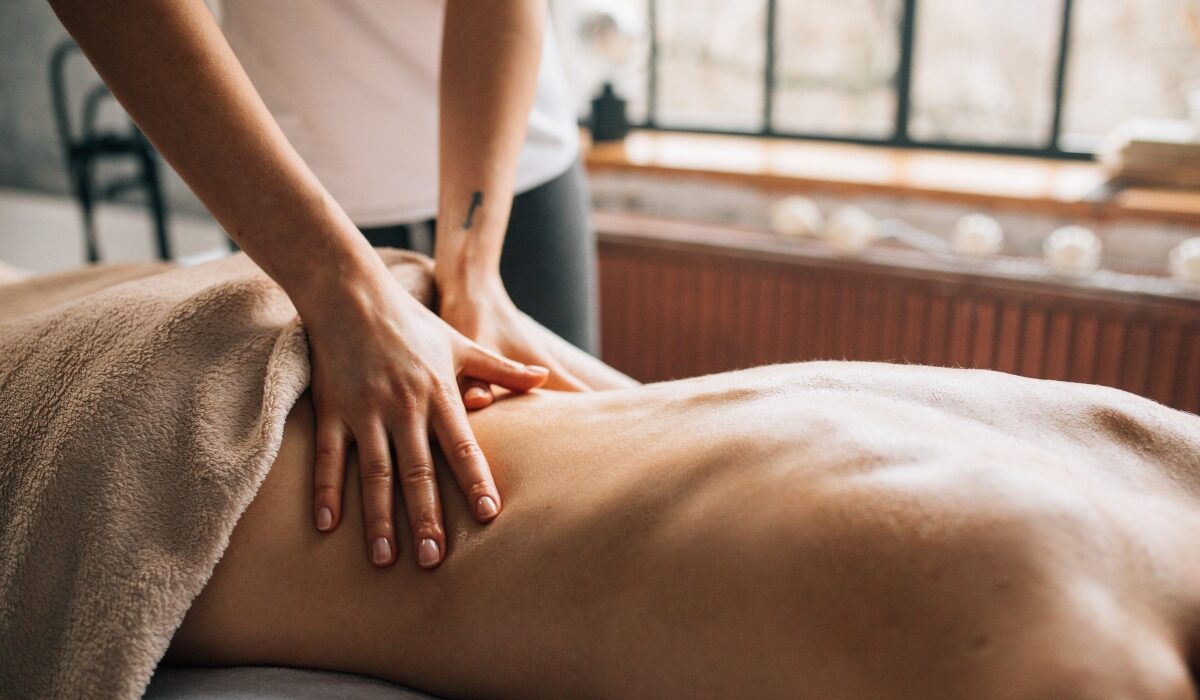
Ayurvedic Oil Massage: Ayurvedic Massage Oil & Healing Therapies at Dhanwantari Ayurveda Detox Center, Tiruvannamalai
Modern life places constant demands on the body and mind. Long working hours, irregular sleep, digital overload, travel fatigue, emotional pressure, and poor routines slowly disturb the body’s natural balance. Over time, this can show up as stiffness, scalp tension, poor sleep, mental fog, irritability, fatigue, and a lingering sense of inner restlessness.
This is where Ayurvedic Oil Massage offers something fundamentally different. It is not simply a relaxation treatment. It is a therapeutic healing practice rooted in the classical science of Ayurveda, using warm herbal oils, skilled touch, and personalized care to restore balance in the body, calm the nervous system, and support long-term wellbeing.
At Dhanwantari Ayurveda Detox Center, Tiruvannamalai, practitioners follow traditional principles in Ayurvedic healing. They select each therapy according to the individual, treating it as part of a deeper process of restoration rather than a quick fix. Through carefully chosen Ayurvedic massage oil, constitution-based treatment planning, and authentic therapeutic methods, the center offers a healing experience that supports physical recovery, mental clarity, and emotional grounding.
If you have ever wondered which oil is good for massage, which oil is best for massage, or how Ayurvedic oils for massage differ from ordinary oils, the answer lies in Ayurveda’s personalized approach. In this system, there is no one oil that suits everyone. The right oil depends on your dosha, your current imbalance, the season, and the purpose of treatment.
Whether you are looking for stress relief, better sleep, scalp nourishment, improved circulation, nervous system support, or a more grounded lifestyle, Ayurvedic Oil Massage offers a natural path back to balance.
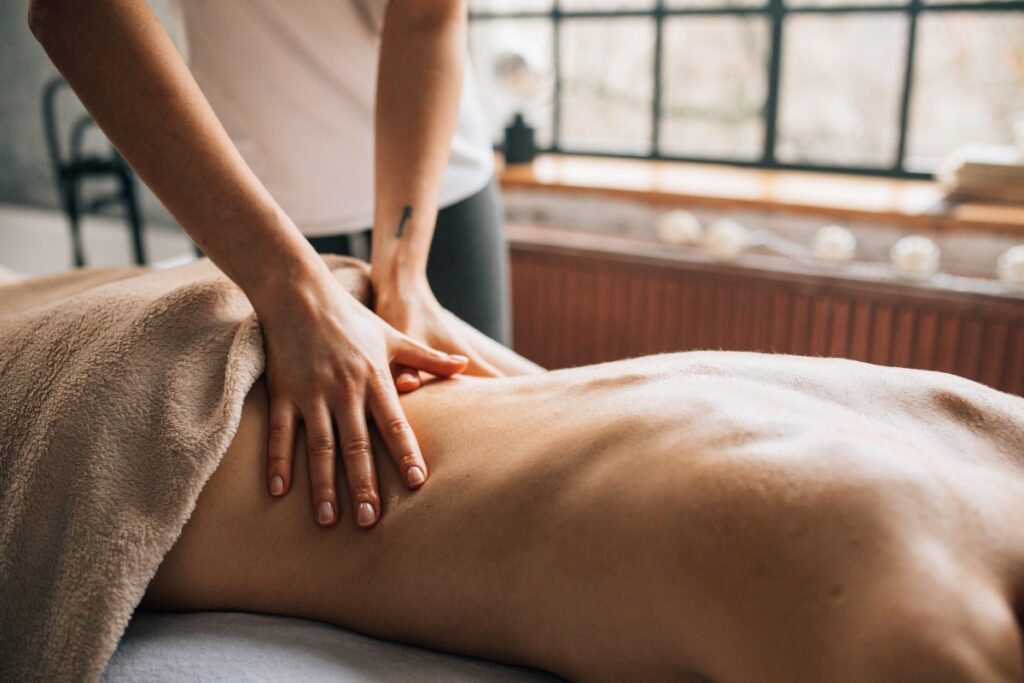
What Is Ayurvedic Massage Oil?
In Ayurveda, oil is much more than a medium for touch. Ayurvedic massage oil is considered a therapeutic substance that carries warmth, nourishment, and the healing properties of herbs deep into the tissues. It works not only through physical contact but also through absorption, repetition, and its calming influence on the nervous system.
Traditional Ayurvedic massage oil ingredients often include base oils such as sesame oil, coconut oil, or olive oil, infused with herbs, roots, flowers, bark, and aromatic substances. These formulations are prepared in ways that preserve and intensify the medicinal value of the herbs, making them essential to many classical Ayurvedic treatments.
At Dhanwantari Ayurveda Detox Center, practitioners use these oils in Abhyanga massage, warm oil scalp massage, herbal oil massage, and targeted therapies for the joints, nerves, scalp, and full body. Depending on the oil and treatment method, Ayurvedic oil therapies may help nourish dry tissues, soften the skin, calm the nerves, improve circulation, support lymphatic flow, and assist the body’s natural detox response.
This whole-body perspective is one reason holistic healing in Ayurveda remains so relevant today. It does not separate mental stress from physical discomfort. Instead, it treats the body, mind, and routine as interconnected.
Why Ayurvedic Oil Massage Matters Today
Many people do not realize how much tension they are carrying until the body is finally given a chance to soften. Constant stimulation keeps the nervous system in a state of alertness. Even when people rest, the body often remains guarded. In this state, healing becomes difficult.
An authentic Ayurvedic massage therapy does not aim only to loosen muscles. Its deeper purpose is to help the body settle, regulate, digest, recover, and restore itself.
This is why Ayurvedic Oil Massage is often experienced as both physical and emotional healing. It combines warm medicated oils, rhythmic therapeutic touch, individualized treatment according to dosha, and support for the nervous system within a broader Ayurvedic lifestyle framework.
The result is more than temporary comfort. It is often a profound sense of returning to one’s natural state of balance.
Types of Ayurvedic Massage at Dhanwantari Ayurveda Detox Center
There are many forms of Ayurvedic Oil Massage, and each serves a specific purpose. At Dhanwantari Ayurveda Detox Center, therapies are chosen according to constitution, symptoms, energy levels, and treatment goals.
Abhyanga Massage
Abhyanga massage is one of the most respected treatments in Ayurveda. This full-body warm oil massage uses long flowing strokes along the limbs and circular movements over the joints and abdomen.
Often described as a full body oil massage in Ayurveda, Abhyanga is deeply grounding and nourishing. It is commonly recommended for fatigue, dryness, stress, body stiffness, sleep disturbance, and nervous exhaustion.
Abhyanga supports relaxation, tissue nourishment, dosha balance, improved circulation, and a calmer state of mind. Because of its broad therapeutic value, Abhyanga oil massage is often considered a foundation of Ayurvedic care.
Warm Oil Scalp Massage
A warm oil scalp massage is one of the most soothing therapies in Ayurveda. It uses Ayurvedic oil for head massage to calm the mind, release scalp tension, cool excess heat, and promote relaxation.
People often choose this treatment when they experience stress, overthinking, poor sleep, mental fatigue, emotional restlessness, scalp dryness, or head heaviness. Therapists widely use oils such as bhringaraj oil and brahmi oil in scalp therapies because tradition associates them with nourishment, clarity, and calmness.
Herbal Oil Massage
A herbal oil massage uses medicated oils selected according to the individual’s body type and imbalance. This is where the true strength of herbal massage oils in Ayurveda becomes clear. Instead of using a general massage oil, the therapist applies a formulation specifically suited to the person’s needs.
Practitioners select these oils to support muscular stiffness, tired joints, dryness, heat, fatigue, heaviness, scalp nourishment, or nervous system balance. This personalized use of Ayurvedic massage oils is central to authentic Ayurvedic treatment.
Detox Massage Ayurveda
When the body feels heavy, sluggish, stagnant, or swollen, Ayurveda may recommend a more active detox massage. This approach stimulates circulation, supports movement, and complements cleansing or rejuvenation therapies.
It may help bring a greater sense of lightness to the body, support healthy fluid movement, and encourage lymphatic drainage in Ayurveda.
Dosha Balancing Massage
A dosha balancing massage is tailored specifically to balance vata, pitta, and kapha. The oil type, oil temperature, stroke speed, pressure, and therapeutic method are all adjusted according to the body’s condition.
This individualized method is one of the defining strengths of Ayurveda. It does not impose the same solution on every person. It works with the body’s unique pattern.
Which Oil Is Good for Massage? A Dosha-Based Ayurvedic Approach
One of the most common questions people ask is: Which oil is good for massage? Ayurveda gives a clear answer. The right oil depends on the dosha.
Vata: Dry, Cold, Light, Restless
When vata aggravates, a person may feel anxious, dry, tired, tense, scattered, or unable to sleep well. Practitioners prefer warming and nourishing oils in this condition.
The most common choice is sesame oil massage in Ayurveda. Sesame oil is traditionally valued because it is warming, grounding, and deeply penetrating. It may help reduce dryness, calm the nerves, support better sleep, and nourish the joints and tissues.
Practitioners may also use oils associated with Mahanarayan oil benefits for deeper muscular and joint care.
Pitta: Hot, Sharp, Sensitive, Intense
When pitta is aggravated, the body may feel overheated, inflamed, sensitive, or mentally overdriven. Cooling oils are usually more suitable.
Coconut oil is often preferred for pitta conditions in Ayurveda massage because it soothes and cools the body. Practitioners may also use sandalwood oil in selected Ayurveda formulas to promote calmness and emotional steadiness.
Practitioners often choose these oils to reduce heat, ease irritability, and create a cooler, calmer internal state.
Kapha: Heavy, Slow, Cool, Stable
When kapha is imbalanced, a person may feel sluggish, dull, congested, heavy, or resistant to movement. In such cases, Ayurveda often uses smaller amounts of oil along with more stimulating herbs and invigorating techniques.
This is where warming oils in Ayurveda become especially useful. They support movement, energize the body, and help counter stagnation. Massage for kapha may involve brisker strokes and more stimulating therapeutic methods.
This dosha-based approach explains why people search for terms like kapha vata pitta massage oil, vata pitta kapha oils, and dosha balancing oils. In Ayurveda, the best oil is always the one that matches the individual.
Popular Ayurvedic Oils Used in Therapy
At Dhanwantari Ayurveda Detox Center, practitioners use a range of classical oils depending on the condition and treatment goal.
Sesame Oil is one of the most traditional oils in Ayurveda. It is deeply nourishing, warming, and especially suitable for dryness, coldness, and vata imbalance.
Coconut Oil is cooling and calming. It is often used for scalp care, pitta imbalance, heat conditions, and warm climates.
Olive Oil may be used in some supportive contexts. Olive oil massage in Ayurveda can offer softness and moisturization for dry skin.
Bhringaraj Oil is commonly used for scalp nourishment, relaxation, and hair support. It is a popular Ayurvedic oil for head massage.
Practitioners especially value Brahmi Oil for calming the mind. They often use it in scalp therapies to promote clarity, emotional steadiness, and mental relaxation.
Practitioners use Mahanarayan Oil for its warming, strengthening, and restorative effects on joints and muscles.
Essential Oils in Ayurveda and Massage Support
There is growing interest in essential oils in Ayurveda, particularly for home massage and relaxation rituals. While traditional Ayurveda places greater emphasis on herb-infused oils than modern aromatherapy, certain essential oils may still play a supportive role when properly diluted.
Examples include patchouli essential oil for grounding, rosemary essential oil for freshness and mental alertness, and sandalwood oil for cooling and calm.
These may support stress relief, better sleep, emotional balance, nervous system calm, and mental clarity. For those wondering how to use essential oils for massage, proper dilution in a base oil is essential. Essential oils should support Ayurvedic oil therapy, not replace its herbal foundation.
Ayurvedic Massage Benefits for Body and Mind
The benefits of Ayurvedic Oil Massage are wide-ranging because it works on multiple systems at once.
Physically, warm herbal oils may help improve circulation, support lymphatic flow, soften stiffness, lubricate the joints, reduce dryness, nourish the skin, and support healthy tissue recovery.
Mentally and emotionally, Ayurvedic massage often creates an immediate sense of calm. It may help settle mental overactivity, support emotional grounding, improve rest, regulate the nervous system, and enhance mental clarity.
It is especially valuable for those who feel overstimulated, emotionally drained, mentally overworked, or disconnected from their body’s natural rhythm.
Ayurvedic massage is also preventive. Practitioners use it not only to correct imbalance but also to help maintain wellbeing before imbalance becomes more serious. Over time, regular treatment may support more stable energy, better body awareness, stronger self-care habits, and a healthier relationship with rest.
Ayurvedic Self Massage for Home Practice
Professional therapy can be deeply effective, but Ayurveda also emphasizes daily home care. Ayurvedic self massage, or self-Abhyanga, is one of the simplest and most valuable practices for maintaining balance between treatments.
This ritual supports grounding, body awareness, and regular nourishment. It can be especially beneficial for people living with stress, sedentary habits, dryness, poor sleep, overstimulation, or mental overactivity.
Basic Abhyanga Method Steps
To practice Ayurvedic self oil massage at home, begin by choosing an oil according to your constitution. Warm the oil gently. Apply it first to the scalp if appropriate, then to the body. Use long strokes over the arms and legs, and circular movements over the joints and abdomen. Spend a little extra time on the shoulders, feet, and scalp if needed. Leave the oil on for about 15 to 20 minutes before bathing with warm water.
This simple daily ritual can help the body feel calmer, more grounded, and more supported.
Best Ayurvedic Oils for Massage at Home
If you are looking for the best Ayurvedic oils for massage at home, a few common options include sesame oil for dryness and restlessness, coconut oil for heat and scalp cooling, brahmi oil for mental calm, bhringaraj oil for scalp nourishment, and Mahanarayan oil for muscles and joints.
These are widely used in home self-massage routines, although the best choice still depends on the dosha and the purpose of the massage.
How to Make Ayurvedic Massage Oil at Home
Many people are curious about how to make Ayurvedic massage oil at home. A simple homemade preparation is possible, although professionally prepared clinic oils are often more potent and therapeutically refined.
A basic method involves selecting a base oil such as sesame oil or coconut oil, choosing herbs suited to your goal, gently heating the mixture, allowing the herbs to infuse, then straining and storing the oil in a clean container.
This can be a useful introduction to creating a home wellness practice. However, professionally prepared herbal massage oils in Ayurveda usually follow traditional formulations and processing methods that give them greater therapeutic depth.
Why Choose Dhanwantari Ayurveda Detox Center, Tiruvannamalai?
Many wellness centers offer massage, but authentic Ayurvedic Oil Massage in India emphasizes personalization, classical methods, and therapeutic integrity.
At Dhanwantari Ayurveda Detox Center, Tiruvannamalai, the goal is not to provide a generic massage session. The center offers treatments rooted in classical Ayurvedic wisdom, adapted thoughtfully to the individual’s constitution and healing needs.
The center stands out for its authentic Ayurvedic therapies, dosha-based personalization, use of high-quality Ayurvedic massage oils, and a healing environment that supports stillness and restoration.
Tiruvannamalai itself adds a unique dimension to the process. Its peaceful atmosphere encourages reflection, inner quiet, and a deeper sense of reset, making it an ideal setting for Ayurvedic healing.
A Natural Return to Balance
Healing does not always begin by doing more. Sometimes it begins with slowing down, softening, and receiving the kind of care the body has been asking for quietly over time.
Through Ayurvedic Oil Massage, Abhyanga massage, warm oil scalp therapies, and personalized herbal oil treatments, Dhanwantari Ayurveda Detox Center offers a space where the body can recover and the mind can become clear again.
Whether you are exploring which oil is good for massage, searching for the best oil for body massage in Ayurveda, or looking for a complete experience of holistic healing, this path offers more than temporary relief. It offers reconnection.
If you are ready to experience authentic Ayurvedic therapies in Tiruvannamalai, Dhanwantari Ayurveda Detox Center welcomes you to begin your healing journey through traditional oils, mindful touch, and personalized care.
Book Your Ayurvedic Healing Experience
Discover the restorative power of Ayurvedic Oil Massage, personalized therapies, and traditional healing practices at Dhanwantari Ayurveda Detox Center, Tiruvannamalai.
Reconnect with your body. Calm your mind. Restore your balance naturally.
Contact Dhanwantari Ayurveda Detox Center today to schedule your consultation and begin your journey toward deeper wellness.
FAQ
Which oil is best for massage in Ayurveda?
The best oil depends on your dosha and current imbalance. Sesame oil is often recommended for vata, coconut oil for pitta, and warming herbal oils for kapha.
Which oil is good for body massage in Ayurveda?
Common choices include sesame oil, coconut oil, brahmi oil, bhringaraj oil, and Mahanarayan oil. The right oil depends on whether the goal is grounding, cooling, calming, or energizing.
What are the main Ayurvedic massage benefits?
Ayurvedic massage may support relaxation, circulation, nervous system balance, skin nourishment, stress relief, and emotional grounding.
What is Abhyanga massage?
Abhyanga, a traditional full-body warm oil massage in Ayurveda, nourishes the tissues, calms the mind, and promotes dosha balance.
Can I do Ayurvedic self massage at home?
Yes. Ayurvedic self massage, or self-Abhyanga, is a simple home practice using warm oil and rhythmic strokes to support daily balance and self-care.
How often should I do Ayurvedic self oil massage?
Many people practice it daily, especially during times of dryness, stress, or nervous overload. Even a few times a week can be beneficial.