The Ultimate Guide to Ayurvedic Body Massage: Comprehensive Benefits, Techniques, and How to Choose the Best Therapy for You
Introduction to Ayurvedic Body Massage
What is Ayurvedic Body Massage?
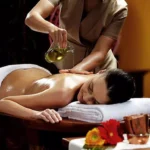
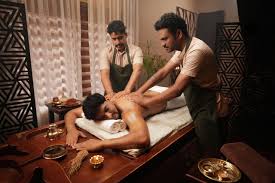
Ayurvedic Body Massage, also known as Abhyanga, is a therapeutic treatment based on the principles of Ayurveda, an ancient system of medicine that originated in India over 5,000 years ago. In essence, this holistic treatment involves using warm herbal oils to restore balance, relieve stress, detoxify the body, and rejuvenate the mind. Additionally, Ayurvedic body massage is tailored to an individual’s dosha (body constitution), which, in turn, ensures the most effective results for both physical and mental health. As a result, this personalized approach not only maximizes the benefits but also promotes overall well-being. Furthermore, by addressing the unique needs of each individual, it helps maintain long-term health and vitality.
Abhyanga is one of the most well-known Ayurvedic massage techniques, and it forms the foundation for other Ayurvedic therapies. By combining specific techniques and natural oils, Ayurvedic Body Massage helps promote overall wellness, skin health, and balance within the body’s energy system.
Why Choose Ayurvedic Body Massage?
- Natural Healing: Unlike many modern therapies, Ayurvedic Body Massage relies on natural, plant-based oils and herbs for healing, making it a safe and chemical-free alternative for treating various conditions.
- Holistic Wellness: This therapy aims at treating the body, mind, and spirit, ensuring a comprehensive approach to wellness. The focus is on achieving balance in the body’s energy systems.
- Individualized Treatment: Ayurvedic Body Massage is personalized according to your dosha and health needs, which makes it one of the most effective therapies for addressing various health concerns. Furthermore, this tailored approach ensures that the treatment targets your specific imbalances, promoting more effective and long-lasting results. As a result, it helps enhance both physical and mental well-being, offering a holistic solution to health.
The Science Behind Ayurvedic Body Massage
Understanding Ayurveda and Doshas
In Ayurveda, the human body is governed by three primary energies, known as doshas: Vata, Pitta, and Kapha. These doshas control various functions in the body and mind.
- Vata (Air & Ether) governs movement and communication.
- Pitta (Fire & Water) controls digestion and metabolism.
- Kapha (Earth & Water) provides structure and stability.
Each person has a unique combination of these doshas, and their balance influences health. Ayurvedic Body Massage works by targeting these doshas, applying different techniques and oils that align with an individual’s dominant dosha to restore balance and promote wellness.
Top Ayurvedic Body Massage Techniques and Their Benefits
1. Abhyanga – The Traditional Ayurvedic Massage
Abhyanga is the most common Ayurvedic massage technique. It involves using warm, herbal oils to massage the body, promoting relaxation, detoxification, and rejuvenation.
Key Benefits of Abhyanga:
- Promotes Detoxification: Abhyanga helps stimulate the lymphatic system and improves circulation, facilitating the removal of toxins from the body.
- Boosts Blood Circulation: The long, rhythmic strokes during Abhyanga promote better blood flow, thereby nourishing tissues and in turn enhancing energy levels.
- Reduces Stress and Anxiety: The massage helps calm the nervous system, reducing stress, anxiety, and mental fatigue.
- Improves Skin Health: Abhyanga nourishes the skin, making it soft, hydrated, and radiant, while simultaneously improving its texture.
- Relieves Joint and Muscle Pain: The therapeutic oils used in Abhyanga help soothe aches, reduce inflammation, and improve flexibility.
- Promotes Better Sleep: The therapy enhances relaxation, contributing to deeper and more restorative sleep.
- Supports Immune Function: The oils used in Abhyanga stimulate the immune system, promoting overall health and well-being.
2. Shirodhara – Oil Drip Therapy
Shirodhara involves the continuous pouring of warm herbal oil over the forehead, specifically on the Ajna chakra (third eye). This, in turn, induces deep relaxation and enhances mental clarity. As a result, this therapeutic technique not only helps calm the mind but also promotes emotional balance, thereby fostering overall well-being.
Key Benefits of Shirodhara:
- Reduces Stress and Anxiety: The steady flow of oil helps calm the mind, reducing stress and promoting emotional balance.
- Improves Mental Clarity and Focus: By stimulating the Ajna chakra, Shirodhara enhances focus, concentration, and cognitive function.
- Promotes Better Sleep: This therapy calms the nervous system, making it ideal for those suffering from insomnia or sleep disturbances.
- Detoxifies the Scalp: The oil nourishes the scalp, encouraging hair growth and improving hair quality.
- Alleviates Symptoms of Depression: Shirodhara has been shown to alleviate depressive symptoms by fostering emotional balance.
- Enhances Meditation Practice: It helps deepen meditation practices by inducing a relaxed and focused state of mind.
3. Udvartana – Herbal Powder Massage
Udvartana uses a combination of herbal powders and oils to exfoliate the skin, improve circulation, and stimulate fat burning. It is often recommended for weight loss and improving skin texture.
Key Benefits of Udvartana:
- Stimulates Lymphatic Drainage: The massage technique encourages the removal of toxins and waste products through the lymphatic system.
- Reduces Cellulite: The exfoliation and stimulating massage help break down fatty deposits, reducing the appearance of cellulite.
- Promotes Healthy Digestion: Udvartana aids digestion by stimulating the digestive fire (Agni), helping to improve metabolism and digestion.
- Enhances Skin Texture and Glow: Regular treatment leads to smoother, glowing skin by removing dead skin cells and promoting skin regeneration.
- Boosts Circulation and Energy Levels: The vigorous movements improve blood flow, increasing energy levels and reducing fatigue.
- Supports Weight Loss: By improving circulation and stimulating fat-burning processes, Udvartana aids in natural weight management.
4. Pinda Swedana – Herbal Poultice Massage
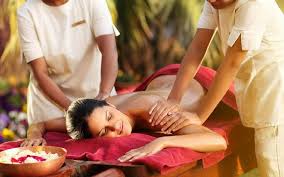
Pinda Swedana uses warm herbal poultices filled with rice, herbs, and spices to massage the body. This technique is particularly effective for relieving joint pain, muscle stiffness, and inflammation.
Key Benefits of Pinda Swedana:
- Relieves Muscle and Joint Pain: The heat from the poultices helps alleviate muscle soreness, joint stiffness, and inflammation.
- Improves Flexibility: By loosening tight muscles and joints, Pinda Swedana enhances flexibility and range of motion.
- Reduces Swelling and Inflammation: The herbal poultices have anti-inflammatory properties that reduce swelling and promote healing.
- Detoxifies the Body: This therapy promotes sweating, helping to flush out toxins and cleanse the body.
- Nourishes and Rejuvenates the Skin: The herbal ingredients in the poultices nourish the skin, making it soft and radiant.
- Improves Blood Circulation: The heat from the poultices improves blood flow, aiding in tissue repair and overall health.
The Health Benefits of Ayurvedic Body Massage
1. Detoxification and Cleansing
Ayurvedic Body Massage stimulates the lymphatic system, which helps the body naturally detoxify by removing toxins and metabolic waste. Regular sessions can enhance digestion, improve skin health, and increase vitality.
2. Stress Relief and Relaxation
The rhythmic strokes and use of warm herbal oils calm the nervous system, reduce cortisol levels, and promote deep relaxation. This makes Ayurvedic Body Massage one of the most effective natural therapies for reducing stress and anxiety.
3. Pain Relief and Muscle Relaxation
For those suffering from chronic pain, Ayurvedic Body Massage is highly beneficial. The technique improves blood circulation, relieves tension in muscles, and reduces inflammation, providing natural pain relief.
4. Skin Rejuvenation
Ayurvedic oils are rich in nutrients and antioxidants, which deeply nourish the skin, improve hydration, and restore its natural glow. Ayurvedic Body Massage is highly effective for treating skin conditions like acne, eczema, and dryness.
5. Balancing Doshas
Each Ayurvedic Body Massage treatment is customized to your dosha. Consequently, the therapy helps restore balance by targeting your specific needs. In turn, this ultimately improves overall health and boosts immunity.
How to Prepare for an Ayurvedic Body Massage
Consultation and Dosha Assessment
Before undergoing an Ayurvedic Body Massage, it’s important to consult with an Ayurvedic practitioner. This assessment will help determine your dominant dosha and guide the therapist in selecting the right oils and techniques tailored to your needs.
Hydration and Avoiding Heavy Meals
Be sure to drink plenty of water before and after your session, as this helps detoxify your body. Furthermore, avoid heavy meals prior to the therapy, since doing so will ensure maximum comfort and promote better oil absorption.
Aftercare and Maintenance
Hydration Post-Massage
After your session, continue to hydrate to support the body’s detoxification process. Water and herbal teas are excellent choices for replenishment.
Rest and Relaxation
Allow your body to fully absorb the benefits of the Ayurvedic Body Massage by taking time to relax. Avoid strenuous activities for a few hours following the treatment.
Conclusion
Ayurvedic Body Massage offers a profound, holistic approach to health and wellness. Whether you are seeking relaxation, pain relief, or detoxification, the various Ayurvedic massage techniques — such as Abhyanga, Shirodhara, Udvartana, and Pinda Swedana — each provide targeted solutions. Moreover, these techniques, in turn, work synergistically to enhance your physical, mental, and emotional well-being. As a result, you can experience a comprehensive sense of balance and rejuvenation.
By understanding the various techniques, their benefits, and how to prepare for a session, you can make an informed decision to integrate Ayurvedic Body Massage into your wellness routine. Take the first step towards rejuvenating your mind, body, and spirit by experiencing the time-tested healing power of Ayurveda.